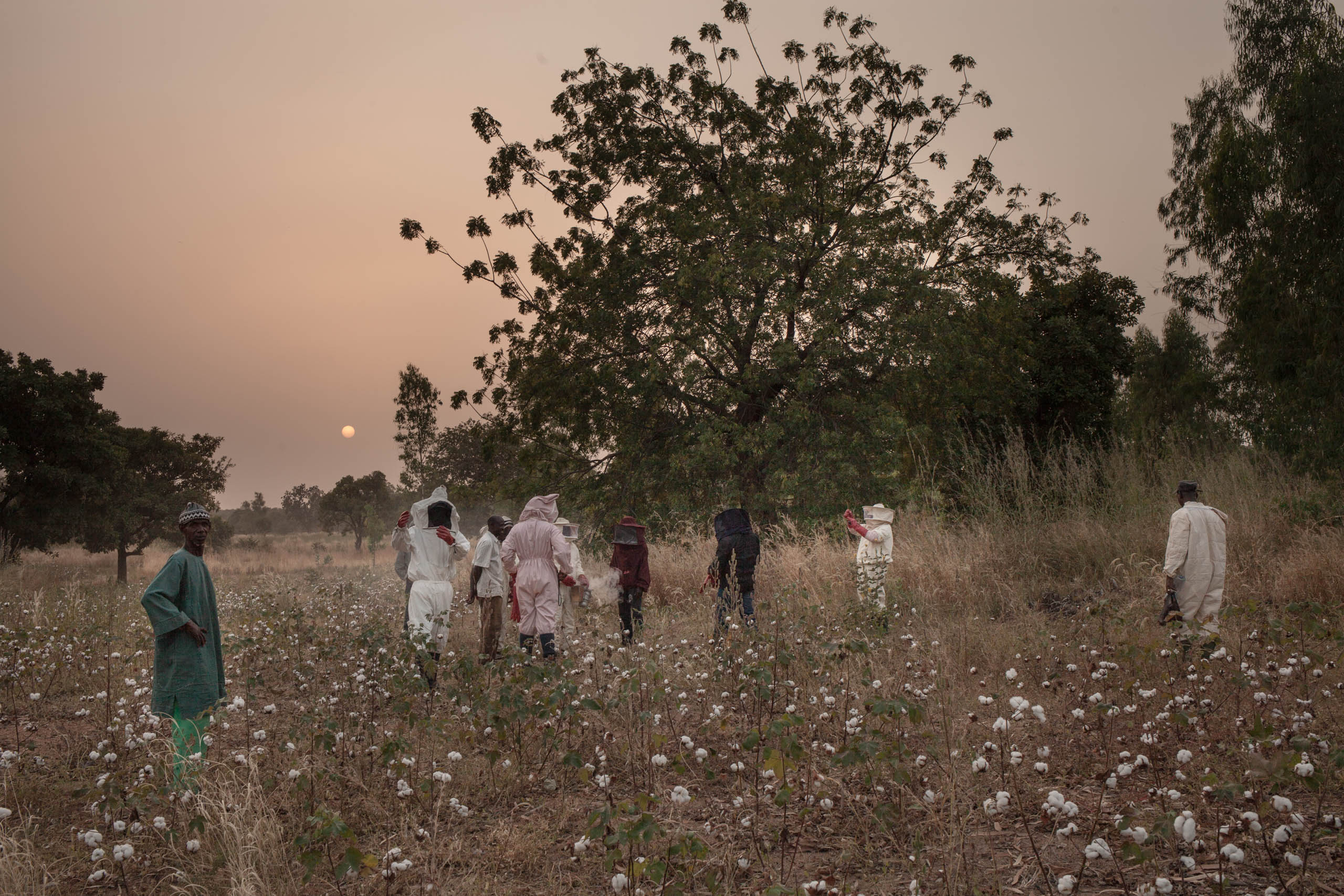
Beekeeping (or bee farming) is a long-standing practice within Africa’s agricultural production systems. Initially based on the harvesting of naturally occurring production (wild honey collection), it has gradually evolved towards the use of traditional hives and, more recently, so-called modern movable-frame hives. As a result, a beekeeping tradition exists across many rural areas of Africa, and this activity plays an important role in the rural economy. It should be noted, however, that certain traditional honey-collection practices, such as the use of fire or tree felling, unfortunately jeopardise the integrity and sustainability of ecosystems.
In West Africa in particular, the sector is also seeing some development due to its capacity to create added value. It also benefits from favourable eco-geographic potential and growing demand at local, national and international level. The honey value chain, the most developed of the hive products, provides an alternative source of income capable of generating substantial amounts for the diverse range of actors it employs.
The PPI funds a number of beekeeping projects aimed at generating alternative income for communities, while also contributing to the conservation of natural resources and their biodiversity. A general observation emerging from the implementation of these initiatives is that hive production levels are far below what they could potentially be. Numerous challenges remain: insufficient know-how, the use of faulty equipment, land tenure conflicts, or the remoteness of villages are all obstacles to the development of local value chains.
The beekeeping study tour was therefore organised to bring together 6 representatives of PPI-funded NGOs that have carried out beekeeping projects in West Africa and are involved in this sector, to investigate these issues. Together, they will analyse the various constraints affecting their beekeeping production initiatives, in order to identify solutions themselves that could be proposed to optimise the economic and environmental benefits to be gained from the beekeeping sector in their areas of intervention.
The aim is to describe the conditions for implementing beekeeping in the environmental contexts visited (Burkina Faso, Togo, Ghana and Côte d’Ivoire), along with possible alternatives capable of overcoming the technical constraints encountered. Insights emerging from the study trip will be highlighted, and finally, potential levers that could be activated to help improve hive productivity will be suggested.