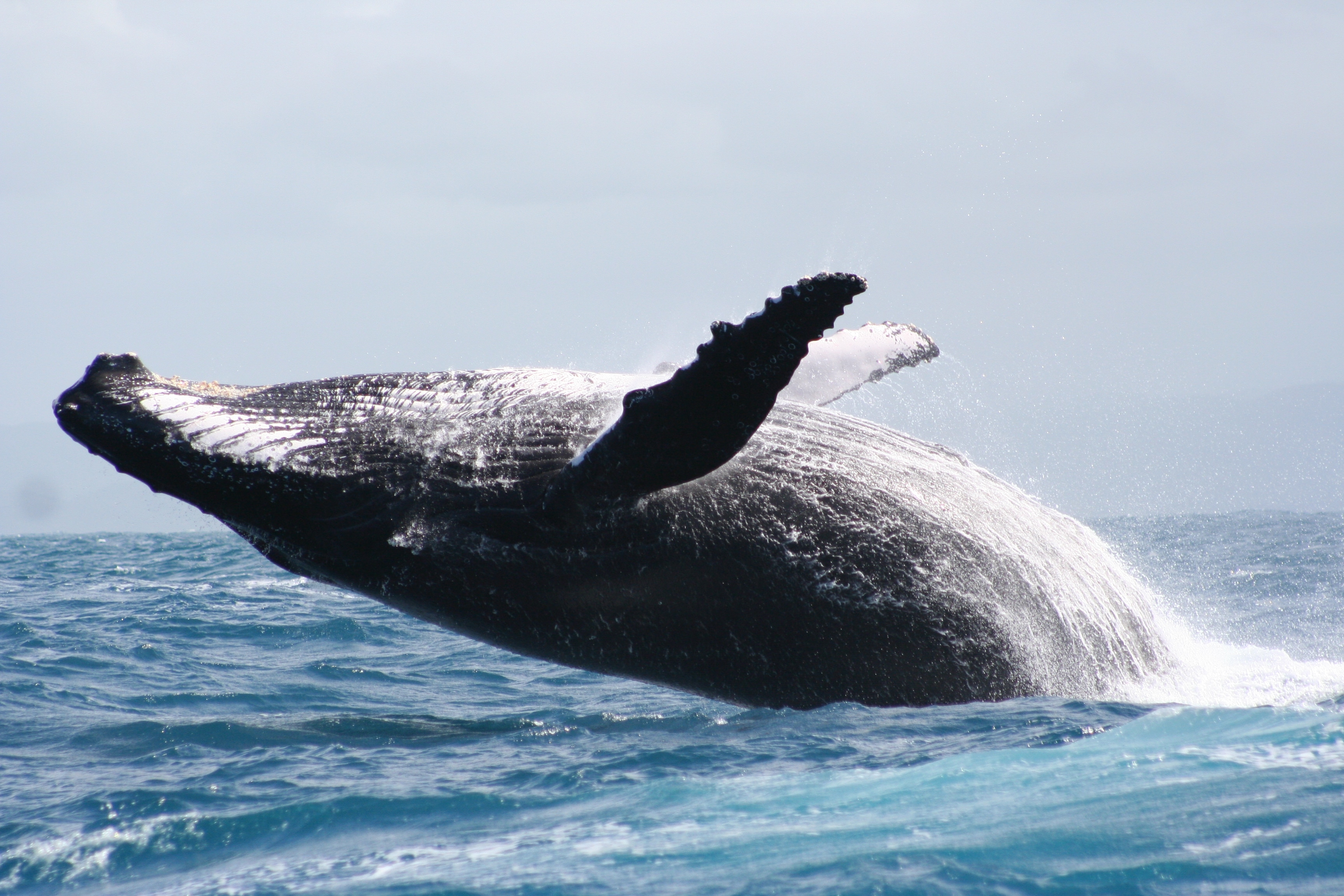
During the 20th century, southern hemisphere humpback whales were hunted to near-extinction, and South Pacific populations currently show no signs of recovery. Humpback whales are migratory animals that travel between polar regions, where they feed in summer, and tropical waters, where they breed in winter. In the South Pacific, these mammals pass through various territorial waters, where they are observed with highly uneven levels of diligence and resources. Existing data is therefore scattered and has never been integrated at a regional scale, hindering an accurate picture of the current state of stocks.
Public interest in marine mammals has, for several years, contributed to the development of a form of “nature” tourism known as “whale watching”. The scientific and economic stakes are significant for countries fortunate enough to possess such a natural heritage.
Most Pacific islands have limited resources, so the development of a commercial whale-watching activity holds real economic interest. However, it cannot be carried out haphazardly, at the risk of jeopardising the long-term viability of this income-generating activity. The effects of pressure from the close presence of observation boats on these animals during their breeding phase are not well understood; excessive pressure could trigger a change in behaviour that would compromise successful reproduction.
To enable the sustainable development of the “whale watching” activity, this project aims to improve knowledge of humpback whales and the effects of their interaction with humans, in order to preserve and enhance the value of this species.