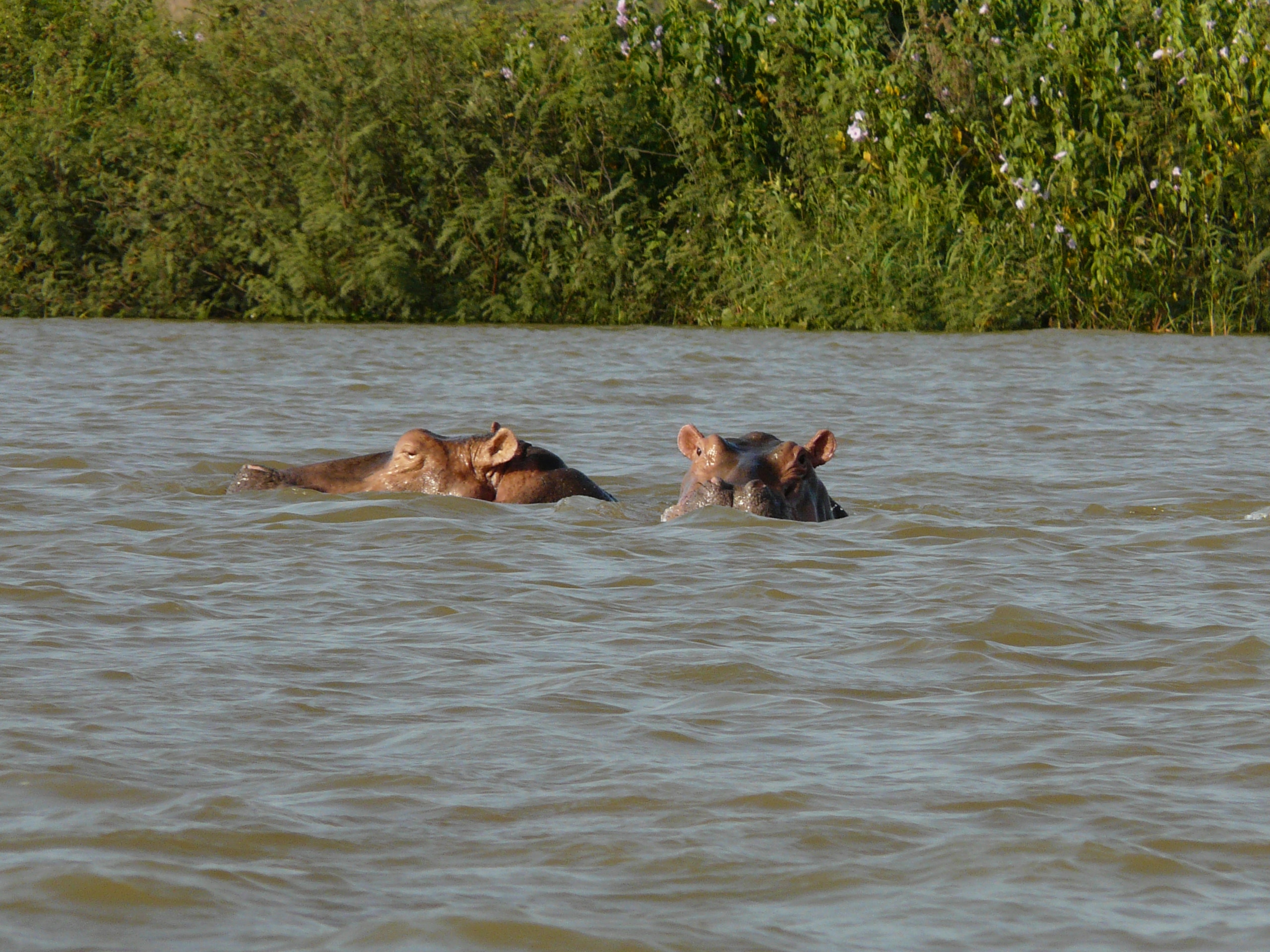
The project forms part of the “Protected Landscape of North-Eastern Lake Tanganyika” (PPNELT) programme, a strategic environmental conservation programme covering the urban and rural landscape of the Bujumbura conurbation. This geographic area represents a sector of high environmental value (RAMSAR), where the hippopotamus (IUCN Red List – Vulnerable; CITES – Appendix II) plays a key role in maintaining the structural and functional elements of lake ecosystems, riverine forests, and neighbouring savannas or grasslands. The project will help combat the decline of hippopotamus populations through a comprehensive population survey and the establishment of an ecological monitoring programme across the intervention area. In addition, at least 3, and ideally 5, “sensitive dispersal zones” along the shores of Lake Tanganyika will be identified, protected and ultimately rehabilitated/maintained. Within these zones, protection perimeters will be established to mitigate human-wildlife conflict, and alternative economic activities will be developed for vulnerable riparian populations. Awareness-raising activities on the ecological value of the hippopotamus will be carried out in parallel throughout the project.
• Reducing and managing human-wildlife conflict linked to hippopotamus populations in north-eastern Lake Tanganyika, Burundi.
• The rehabilitation and protection of wetlands conducive to the survival of hippopotamus populations in north-eastern Lake Tanganyika, Burundi.
• The genetically viable growth of hippopotamus populations in north-eastern Lake Tanganyika, Burundi, ensuring their dispersal and survival within preserved habitats.
• The establishment of a secure, resource hippopotamus population in north-eastern Lake Tanganyika, Burundi, and its potential use as a natural resource, in harmony with the ecological carrying capacity of preserved habitats.
• The development of alternative economic activities directly linked to the protection of the hippopotamus and its habitat.