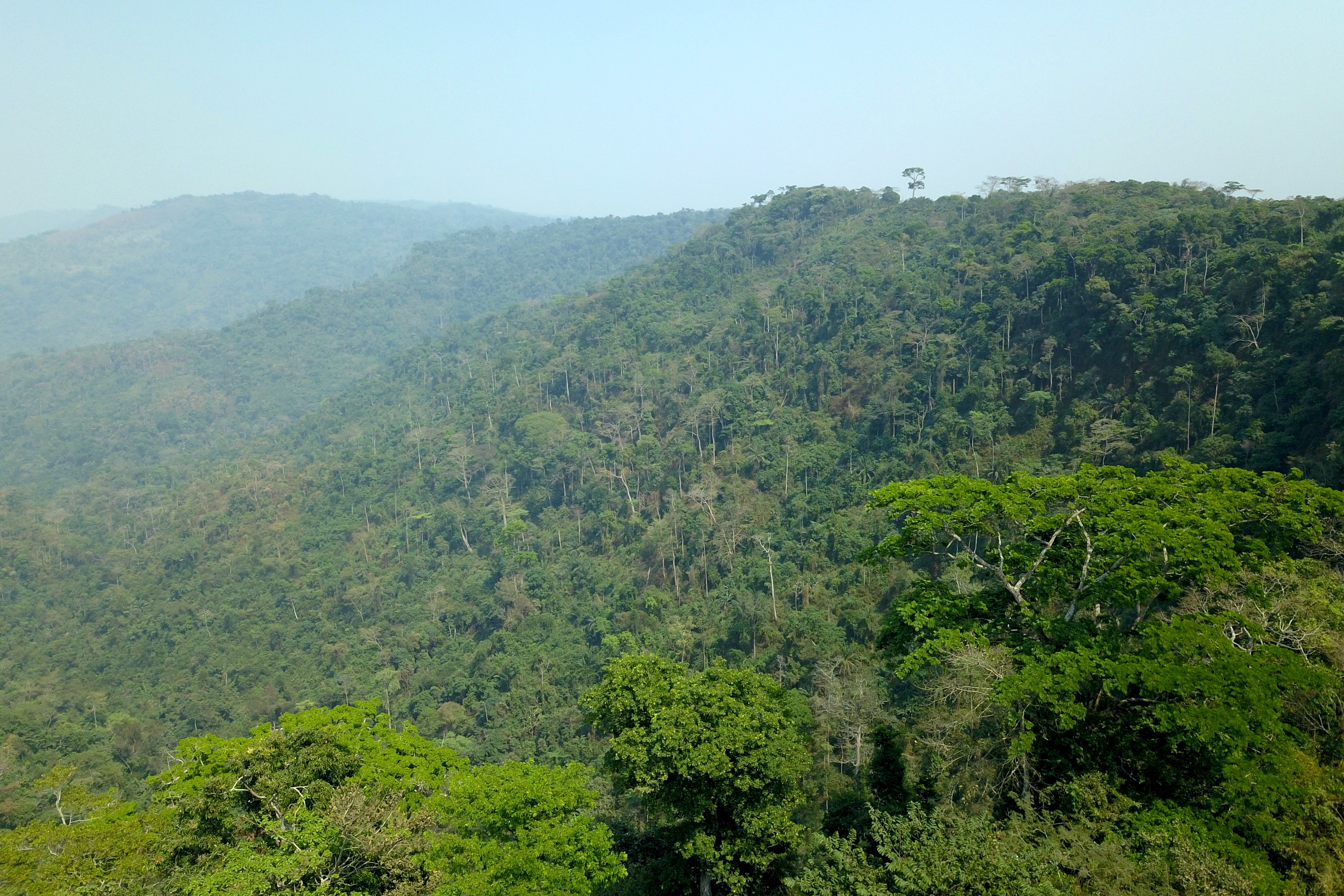
The Fatick region in Senegal is located in the groundnut basin, 150 km south-east of Dakar. It covers an area of 7,000 km², with a population estimated at around 600,000, making it one of the most densely populated regions in the country (75 inhabitants/km²). This population density, combined with other factors (wood collection, fruit and medicinal plant gathering), is one of the factors explaining the degradation of forest-pastoral areas observed in the Fatick region. Various types of ecosystems, such as mangroves, gallery forests and savannas, are currently under threat.
Nevertheless, some wooded, relatively well-preserved areas remain, representing remnants of the primary forests that once covered the zone. In parallel with this situation, the Fatick region has, since 2008, been engaged in a dynamic aimed at ensuring the sustainable management of natural resources. This is why, in January 2010, the region decided to set up a commission made up of various regional stakeholders, to support the concrete implementation of the regional plan. Among other things, this regional plan seeks to develop nearly 7,500 ha per year through a participatory process. The project aims to support the launch of this regional programme.
Over the project’s two years, the objective is therefore to develop 15,000 ha of forest through a participatory process. This project helps support Rural Communes in environmental management, a responsibility assigned to them as part of the ongoing decentralisation process. The project will be implemented with the support of State technical services.