The project is led by the French association COECO, in partnership with the Nigerien association BAIL, to which oversight of activities will be transferred at the end of the project.
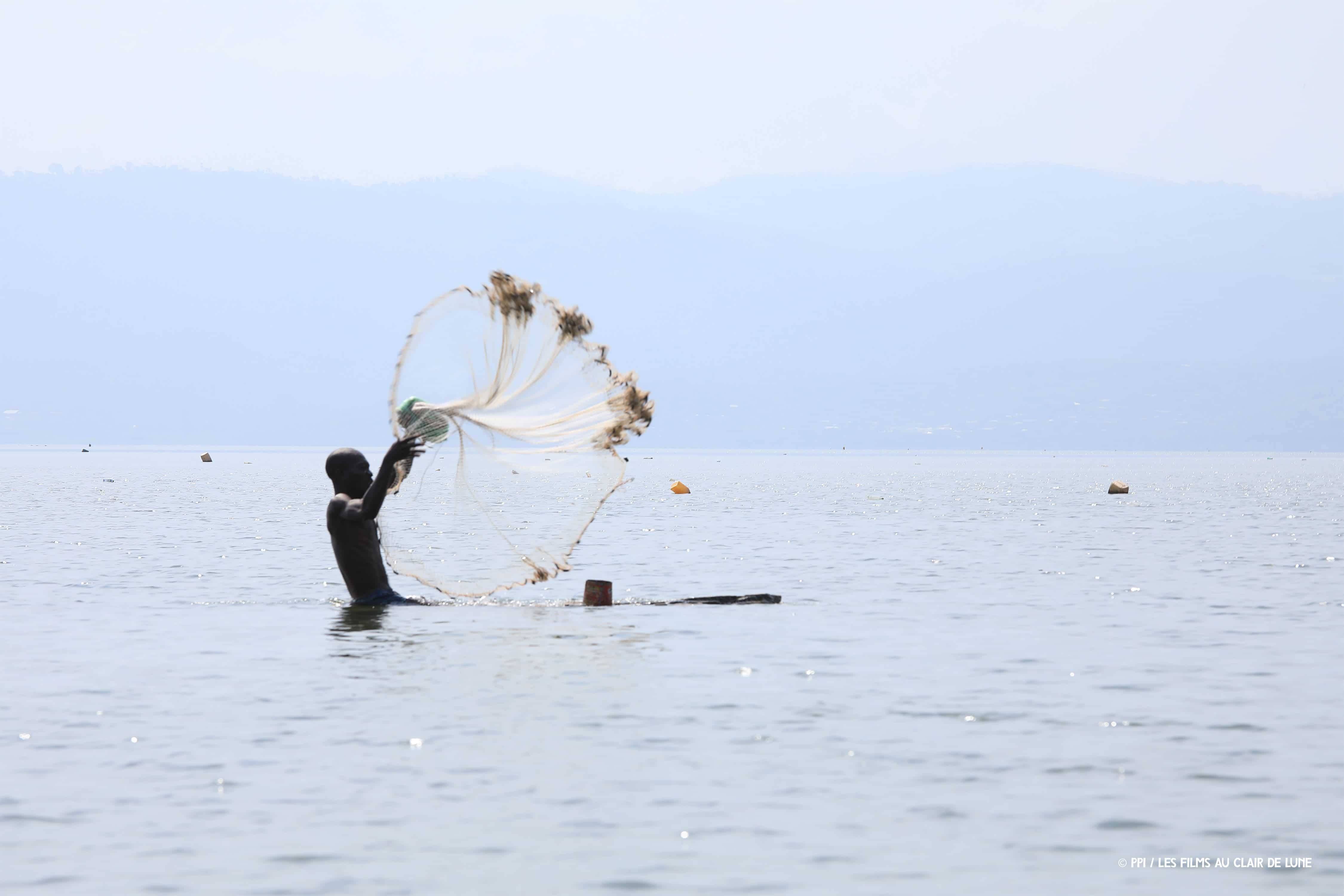
The project is based on the Nigerien side of the Transboundary “W” Reserve, in a 1,000-ha wetland at the confluence of the Niger River (56 km) and the Tapoa and Mékrou rivers (160 km). This permanent body of water serves as a refuge for numerous species, including crocodiles (the dwarf crocodile, Osteolaemus tetraspis, and the slender-snouted crocodile, Crocodylus cataphractus), manatees, and hippopotamuses. With successive droughts, conflicts among fishers, herders and farmers competing for the same resources have intensified, causing severe degradation of natural habitats and serious human-wildlife conflict. A problem currently exists concerning the determination of W Park’s legal boundaries, particularly for Karey Kopto island, whose residents have claimed access to it for cultural and production reasons. In addition, the lack of a wetland management plan is leading to irrational, uncontrolled exploitation of natural resources. It is therefore essential to establish a framework for income-generating activities with fishers that are compatible with wetland conservation. This will also help reduce crocodile poaching (a source of conflict with fishers), the poaching of the many park species found along its edges and periphery, and the temptation to poach within the Park itself (Karey Kopto being a location prone to illegal incursions into the Protected Area).
COECO and BAIL wish to formalise an agreement with the public administration on the zoning of the wetland, in particular to rehabilitate Karey Kopto island (150 ha) in order to build an ecological monitoring centre for crocodilian species, and to reduce pressure on the rivers by developing fish farming (the focus of PPI funding).
The project’s direct targets are 153 fishers, 60 women producers and 1,075 farmers; 4,000 people (500 households from the communes of Falmey and Kirtachi) will be indirectly affected by the project.