- Creation - management - governance of protected and conserved areas
- Ecosystem management
- Local development
- Beneficiary NOFNA - Notre Forêt Notre Avenir
- Montant du projet 70 000€
- Subventions FFEM 35 000€
-
État du projet achevé
context
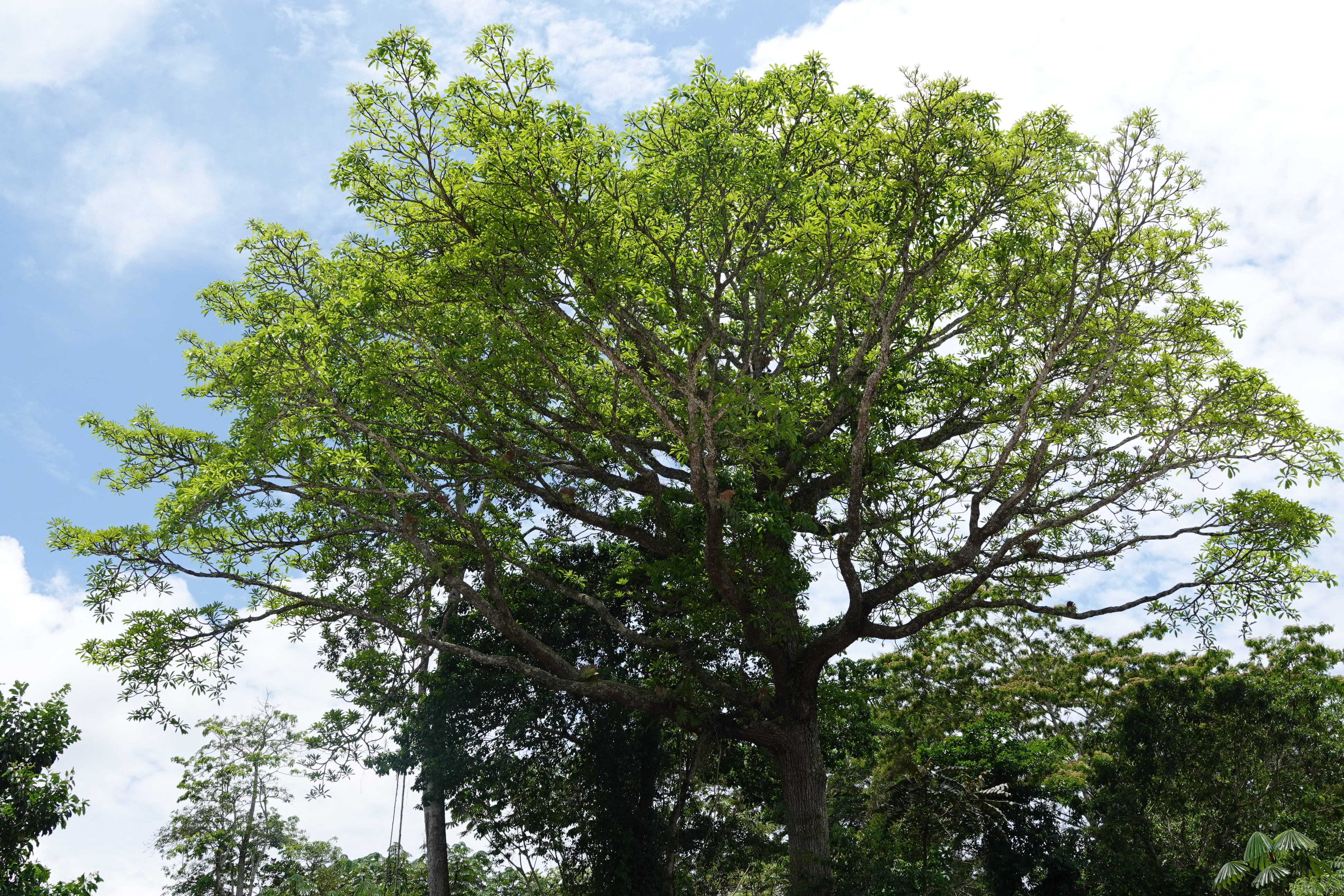
The Cavally classified forest (67,596 ha), located in western Côte d’Ivoire about 650 kilometres from Abidjan, represents a unique natural heritage and is home to around 1,300 species of vascular plants (of which around 12% are endemic) and numerous threatened mammals such as Jentink’s duiker (Cephalophus jentinki, EN), the pygmy hippopotamus (Choeropsis liberiensis, EN), the chimpanzee (Pan troglodytes verus, CR) and nearly 12 other primate species.
The forest is particularly threatened by poaching and deforestation linked to illegal mining (gold) and export-oriented monocultures (rubber, cocoa, coffee, oil palm). The Ministry of Water and Forests is also due to begin work on redefining the status of the Cavally forest, and actions carried out by international NGOs, funded by multinational agri-food companies, tend to support the argument that the forest is degraded enough to justify downgrading the protected status of the Cavally classified forest.
With only 10 surveillance officers at its disposal, SODEFOR (the national public institution responsible for forest management) lacks the means to enforce the law prohibiting human activities in the forest. Yet the independent monitoring provided for under the forestry code, which authorises civil society to keep watch over the enforcement of forest governance and management laws, is still too little known and applied to deter environmental offences.
Main activities:
• 10 additional eco-guards are made available to SODEFOR for surveillance missions;
• 10 independent observation missions are carried out to improve forest governance and transparency;
• 10 cases are investigated by judicial police officers (OPJ) and 06 convictions obtained;
• The conservation status of the Cavally classified forest is maintained (category 2) or upgraded (category 1) following the recategorisation process;
• 30 hectares are reforested thanks to 30,000 seedlings produced by 30 women;
• 70 women are trained and equipped for poultry and rice production