


SEKAKOH eases tensions and supports the sedentarisation of livestock farming around Cameroon’s Mpem and Djim National Park
Publié le 9 June 2026During monitoring and evaluation missions, the PPI goes into the field to look beyond project indicators and better understand how actions translate concretely on the ground. This approach makes it possible to observe results firsthand, engage with local teams, and gain a deeper understanding of the tensions, trade-offs, and lessons that truly shape project implementation.
It was in this context that Marie, PPI Programme Officer, met with the association SEKAKOH around Mpem and Djim National Park, in Cameroon’s Centre Region. Located in a transition zone between forest and savanna, the park is home to exceptionally rich biodiversity, but faces growing pressure from pastoral activities along its borders. In the absence of a land-use plan, the shortage and gradual degradation of grazing areas have led to seasonal livestock incursions into the protected area, driving both habitat degradation and tensions between herders, farmers, and park managers.
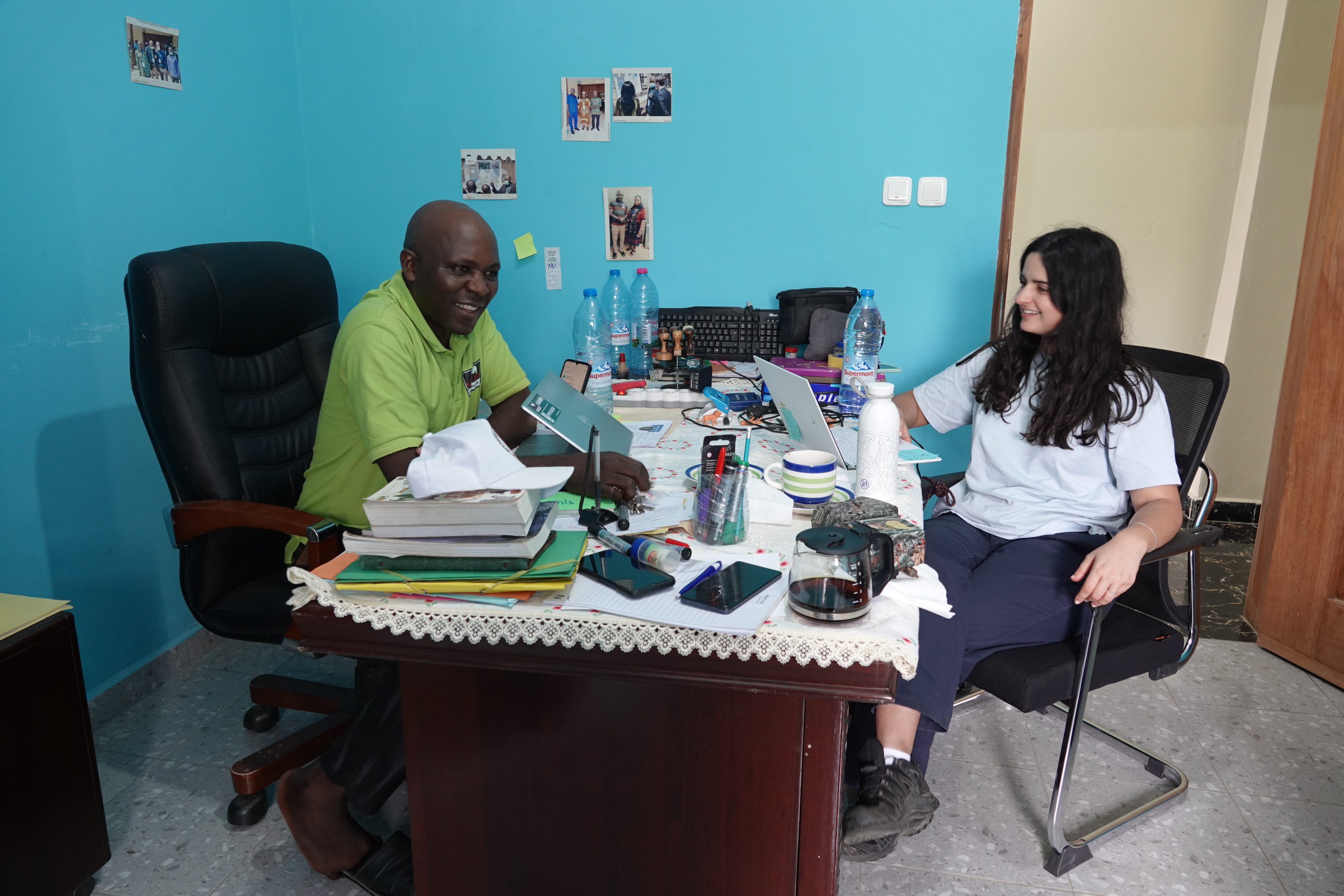
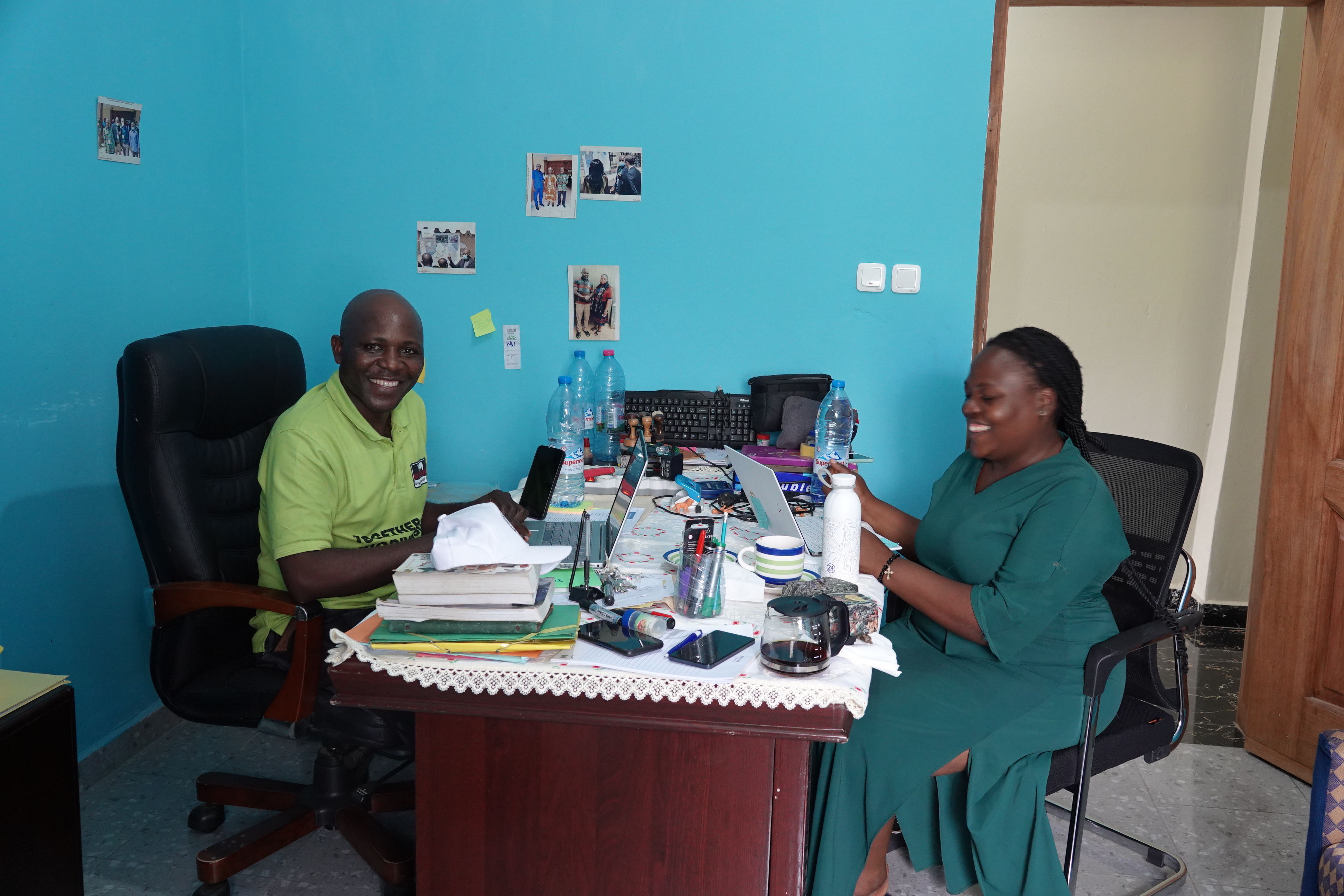
Credit: Marie Furtado, 2026.
The project led by SEKAKOH aims to address these tensions by supporting the long-term sedentarisation of livestock farming around the park. Rather than approaching the issue through a strictly repressive lens, the organisation has worked to build solutions with the communities concerned, particularly Fulani herders, who are often difficult to engage as they have historically been excluded from consultation processes.
The first step was to bring together the different land users — Fulani herders, farmers, and local communities — to collectively map land use and identify the main areas of tension. This process made it possible to highlight overlaps between grazing lands, farmland, and protected areas, while opening dialogue on the concrete causes of conflict. To facilitate exchanges with Fulani communities, SEKAKOH adapted its approach by relying on trusted intermediaries: a local focal point and a head herder, both able to gather perspectives and relay needs more openly.
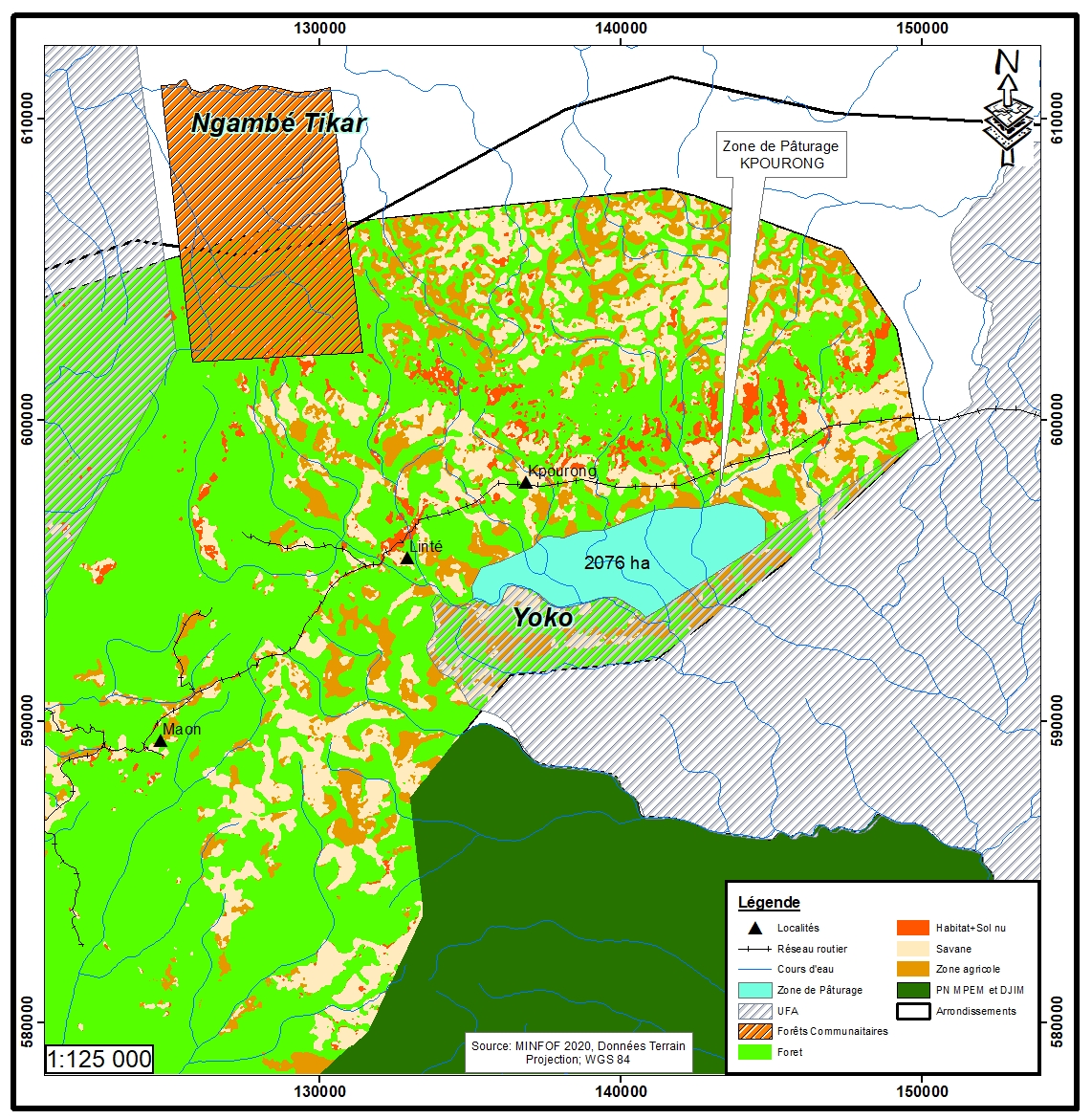
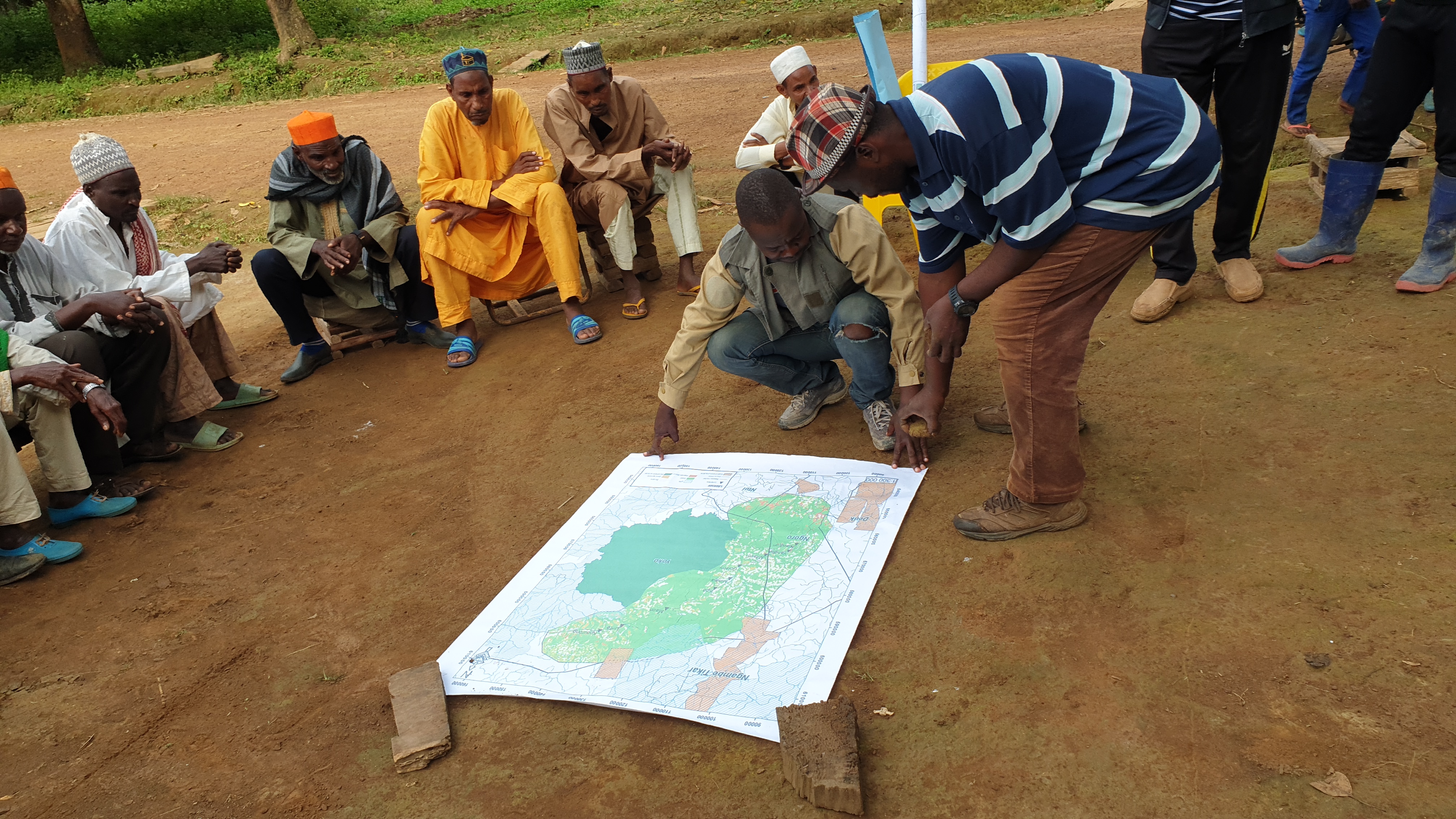
Credit: SEKAKOH.
Based on this shared diagnosis, the organisation supported the restoration of degraded grazing areas in order to reduce livestock incursions into the park and damage to agricultural fields. A nursery of forage plants was established and made available to herders, enabling them to replant and enrich their own grazing lands. As a result, 25 hectares have already been restored, with a clear objective: to help herders keep their livestock outside the protected area while reducing land-use conflicts.
In parallel, SEKAKOH has strengthened the monitoring of violations within the reserve through a local intelligence network tasked with reporting illegal activities and intrusions to the conservation service. This system was further complemented by the installation of camera traps in the park, used both to document movements and to serve as a deterrent. Informed of their presence, local communities are aware that certain areas are under surveillance, including at night. Combined with anti-poaching patrols, this system has contributed to reducing by more than 50% the complaints related to conflicts between hunters, farmers, and conservation services.
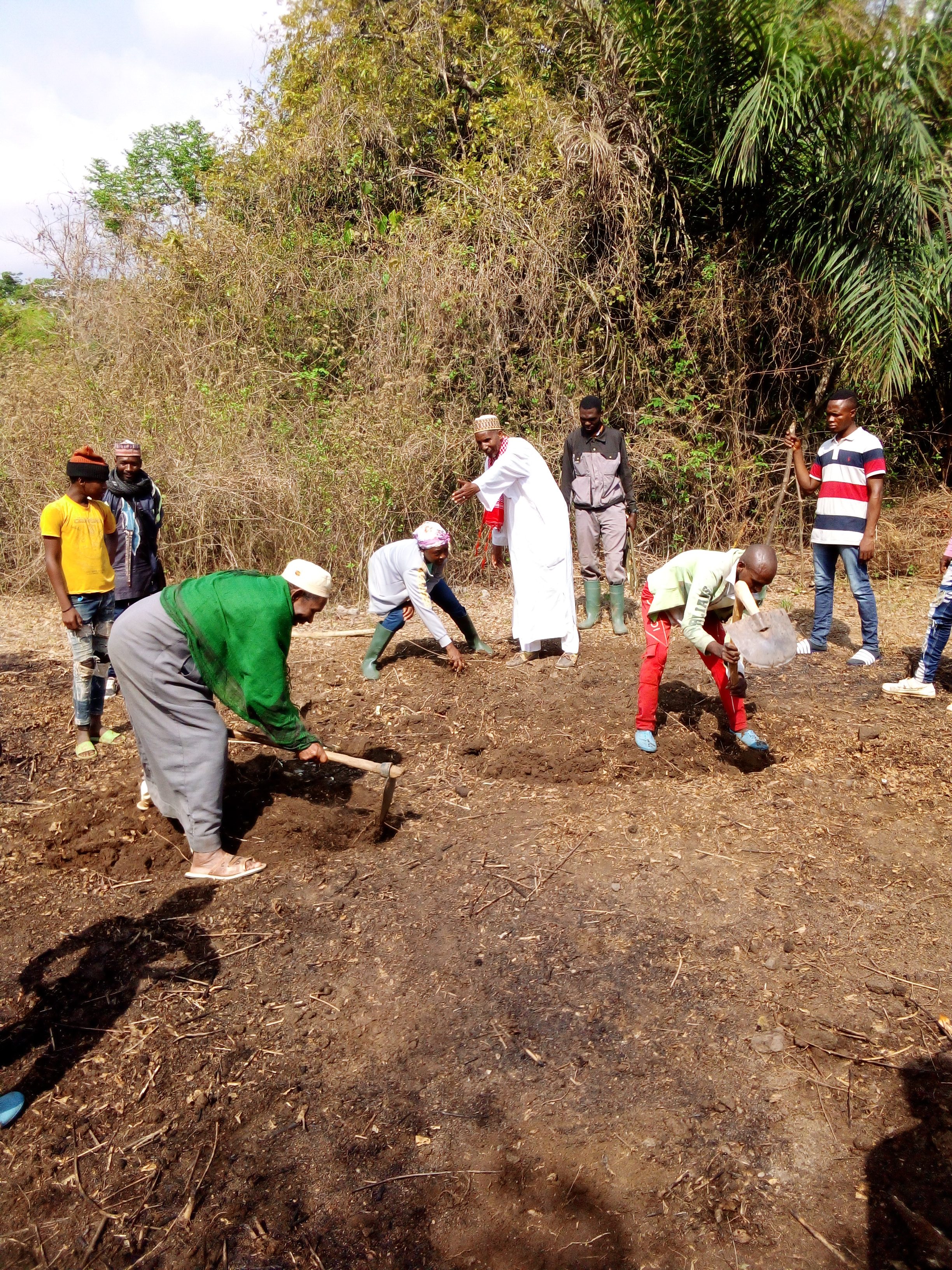
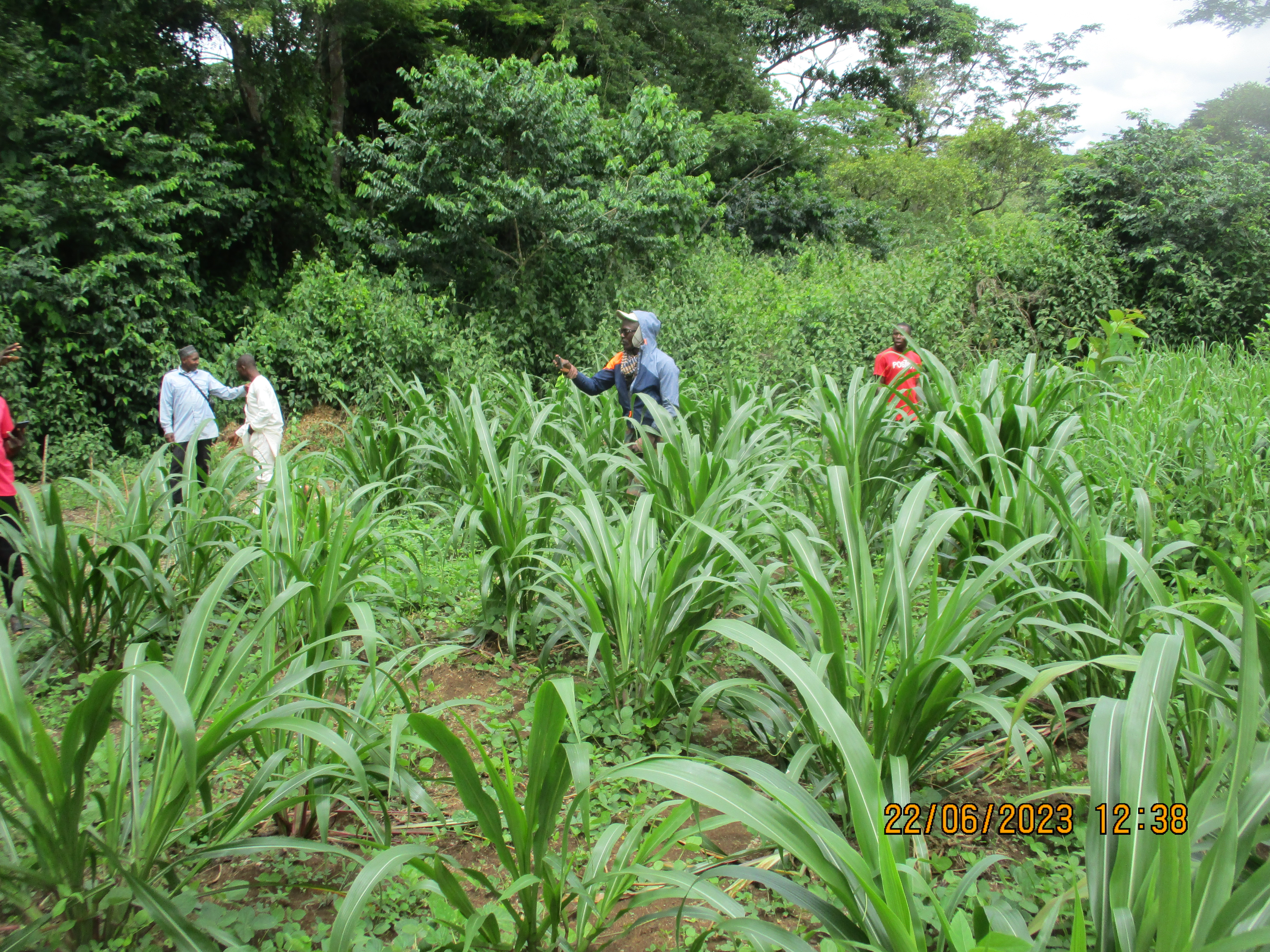
Credit: SEKAKOH.
The mission also brought to light several very concrete lessons learned. The SEKAKOH team acknowledges, for example, that the nursery would have benefited from being located closer to the restoration areas, in order to streamline logistics. The planting schedule was also disrupted by drought episodes, serving as a reminder of how the effects of climate change are increasingly complicating activity planning. Finally, the association highlights a challenge that remains largely unaddressed: better integrating Fulani women into the program, in particular by identifying a representative capable of conveying their voice within the project.
These findings clearly illustrate what a field monitoring mission makes possible: not only observing results, but also understanding what enables them, what holds them back, and what needs to be adjusted going forward. By going beyond reporting, the PPI thus documents a more nuanced reality of the projects: that of initiatives moving forward through trial and error, adaptations, and continuous learning, in close connection with local dynamics.
To learn more about SEKAKOH’s work, click here.