The project operates in the Kalehe territory, one of South Kivu’s 8 territories, located 60 km north of the city of Bukavu. This forested, mountainous territory is home to part of Kahuzi-Biega National Park (600,000 ha), a UNESCO World Heritage Site currently under threat, as well as two community forests, Bushema and Byolwa, both very rich in biodiversity but lacking conservation status, located on its periphery.
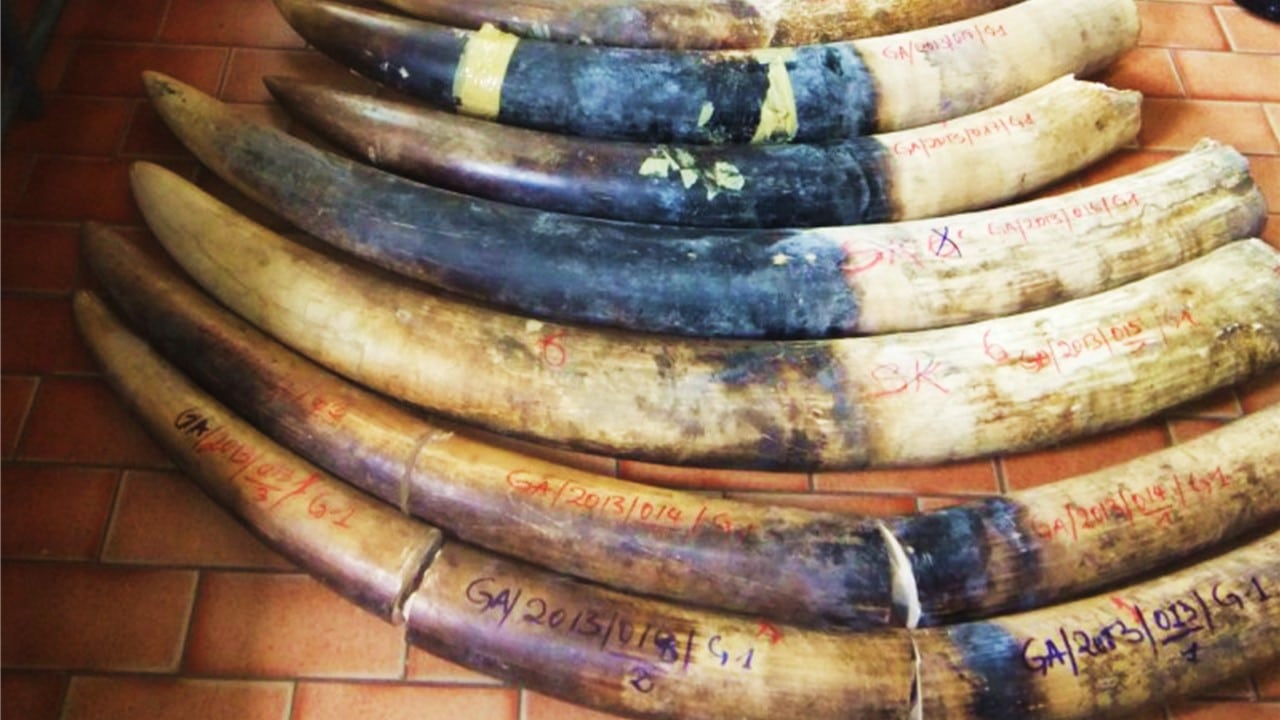
The main threats facing this region, devastated by wars during the 1990s, are hunting/poaching and the artisanal, illegal exploitation of timber and minerals, which destroy habitat and populations of flagship species (gorillas, elephants, etc.).
The formal ban on these activities, the only source of income for populations living around and within the National Park, remains difficult to enforce without offering people concrete, income-generating alternatives.
The initiative led by IFEPAD, a small association working to combat women’s exclusion and support female entrepreneurship, responds to this challenge: the project proposes to directly support 450 households, including 300 hunters and 150 bushmeat sellers and/or artisanal loggers, by providing breeding goats and/or pigs to the former to convert them into livestock farmers, and by supporting small-scale trade for the latter.
In addition, the project plans to reforest degraded areas on the park’s periphery with 30,000 fast-growing tree species, such as eucalyptus and podocarpus, to restore the forest ecosystem.
To this end, IFEPAD will work in collaboration with the Site Coordination Committee (CoCoSi), the governing body responsible for the management, planning and coordination of the entire protected area, which serves as a mediation platform between the ICCN and stakeholders operating in the area, including IFEPAD, and which functions reasonably well at Kahuzi-Biega. IFEPAD will also work with the Community Conservation Committee (CCC), the local participatory management structure. This committee will be involved in raising local populations’ awareness on environmental education and in reporting cases of poaching within the Protected Area.
The direct beneficiaries are the 450 targeted individuals/households, representing around 2,250 people.