- Creation - management - governance of protected and conserved areas
- Beneficiary Réseau CREF - Réseau pour la Conservation et la Réhabilitation des Écosystèmes Forestiers
- Montant du projet € 150 000
- Subventions FFEM € 50 000
-
État du projet achevé
Originally regarded as one of Africa’s jewels, PNVi has long boasted remarkable botanical and faunal wealth thanks to its wide diversity of biotopes and natural habitats, as well as its phytogeographic position. This diversity of habitats spans an altitude range from 600 m to over 5,000 m at the summit of Mount Ruwenzori. PNVi is one of Africa’s most important parks in terms of species diversity and its high level of endemism. It is home to an estimated 218 mammal species, 21 of which are endemic to the Albertine Rift, 706 bird species, 23 of which are endemic to the same Rift, 109 reptiles, 11 of which are endemic, 78 amphibian species, 11 of which are endemic, 21 endemic butterfly species, and 2,077 plant species, 230 of which are endemic.
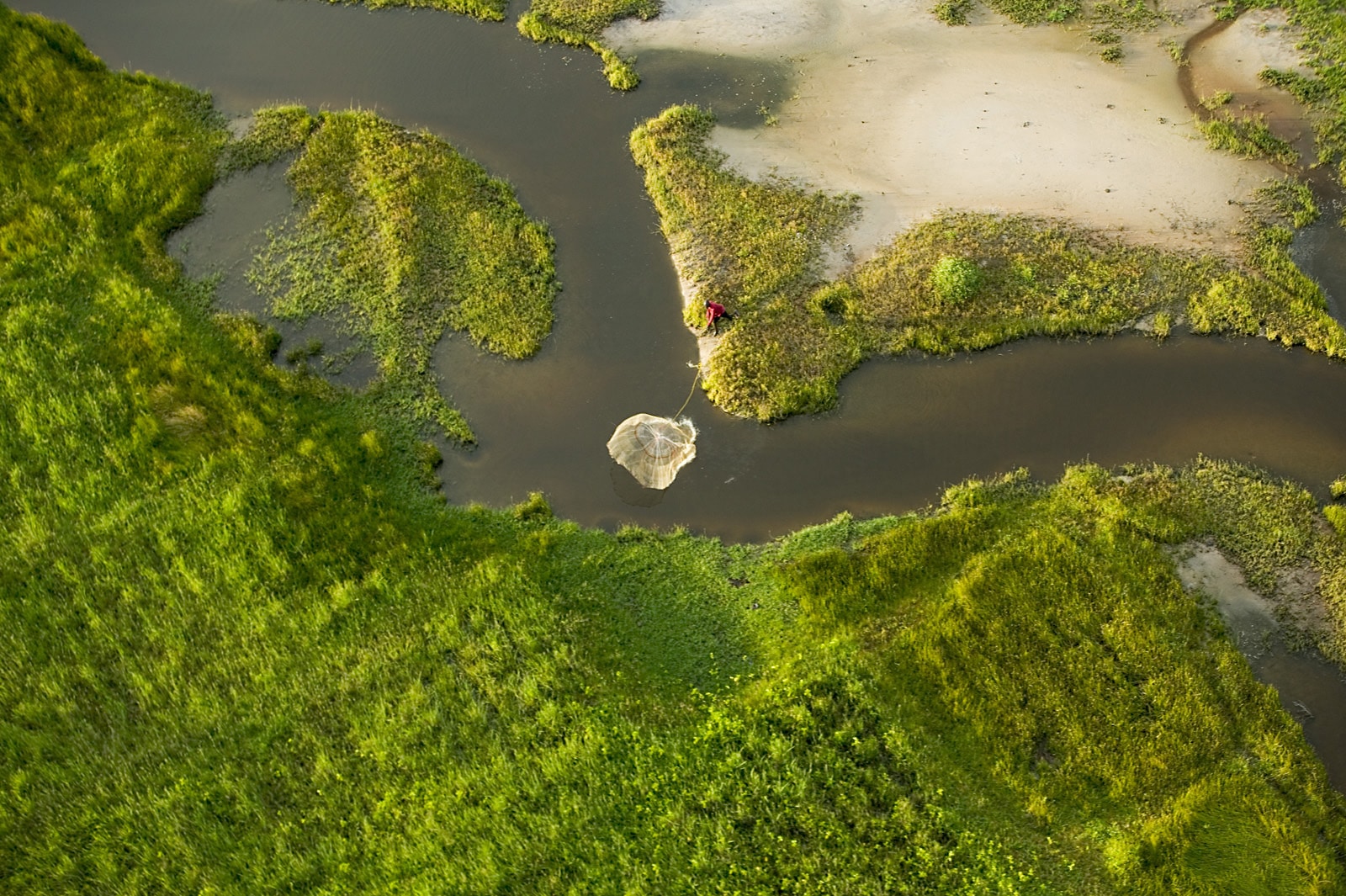
At the same time, the context surrounding PNVi is particularly volatile, with multifaceted pressures, including strong demographic pressure that has very significant negative effects on ecosystems, notably through agricultural activities that regularly encroach on the park’s boundaries, often illicit fishing activities (inappropriate practices, techniques and equipment, fishing in bays, etc.), the search for firewood, poaching, and charcoal production carried out even within the park. This situation is exacerbated by the extreme poverty of the populations living in the fishing communities along Lake Edward and around the park, and by the non-enforcement of the regulatory texts governing the management and protection of the protected area.
The main problems the project aims to address are as follows:
• The challenges related to the sustainable management of the landscape’s natural resources, which give rise to regular violations of community rights, overexploitation of ecosystems leading to the depletion of natural resources, and irrational use that fails to improve communities’ living conditions;
• The difficult living conditions and vulnerability of communities living within the PNVi landscape;
• The persistence of land conflicts within the landscape, which give rise to regular conflicts between and within families, violations of the park’s boundaries, and the seizure of large concessions by economic operators to the detriment of farmers who rely mainly on agriculture for their livelihood.
Given the threats currently facing PNVi, the overall objective of the project proposed by RESEAU CREF and SOPR is to contribute to the sustainable, collaborative and inclusive management of PNVi’s ecosystems, in order to ensure improved socioeconomic conditions for local communities and stability within the protected area.
To achieve this, the project’s specific objectives are to help improve the quality of decision-making related to the sustainable management of natural resources around and within the PNVi landscape, with intermediate outcomes aimed at strengthening sustainable livelihoods for local communities on the outskirts of PNVi. A cross-cutting objective relating to sound project management and capacity building for RESEAU CREF members has also been developed.