


Monitoring and Evaluation Mission in Cameroon (2026)
Publié le 30 April 2026At PPI, we are committed to building long-term partnerships with the organizations we support. And to truly understand their reality, nothing replaces field visits.
In late March, our project officer Marie traveled to Cameroon to meet several partner associations that have been supported over the past four years. The aim of the mission was to follow up on project continuity after the funding phase, engage directly with beneficiaries, assess concrete on-the-ground impacts, and identify needs for the future.
This monitoring and evaluation mission is based on a structured methodology combining field observations, interviews with beneficiaries, exchanges with local teams, and analysis of project progress. Each mission makes it possible to document concrete results, identify challenges encountered, and gather feedback from local populations affected by the projects, while adjusting actions when necessary. Through this approach, PPI aims to go beyond simple reporting, providing a transparent account of project realities, their impacts on the ground, and the ongoing challenges the organisations face.
We notably:
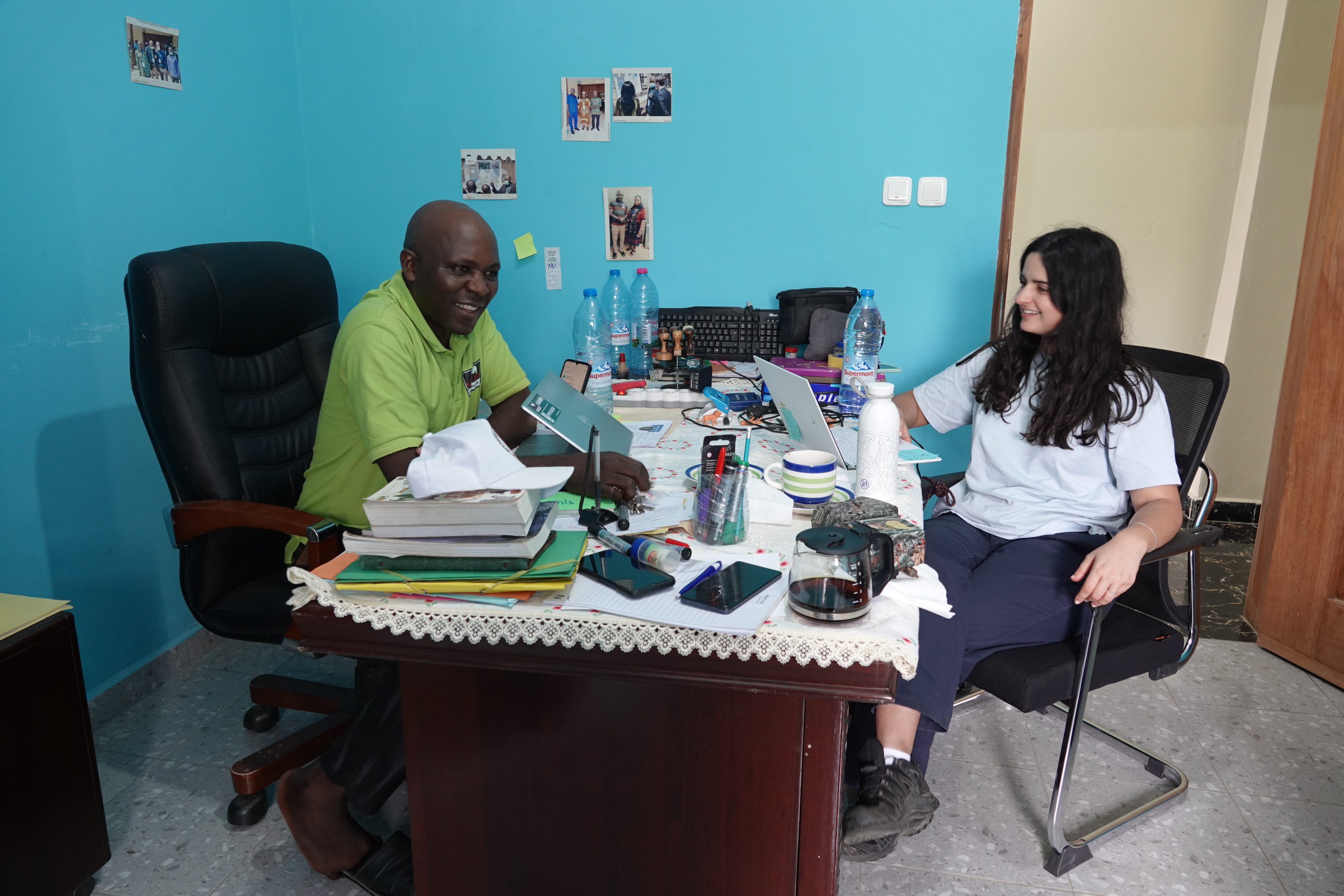
• were welcomed by the Sekakoh team in their new offices to discuss their project focused on the sedentarisation of livestock farming around the Mpem and Djim National Park, using, among other tools, land-use mapping aimed at reducing pressures on forests and limiting conflicts between farmers and transhumant herders. (Click here to read the dedicated article.)
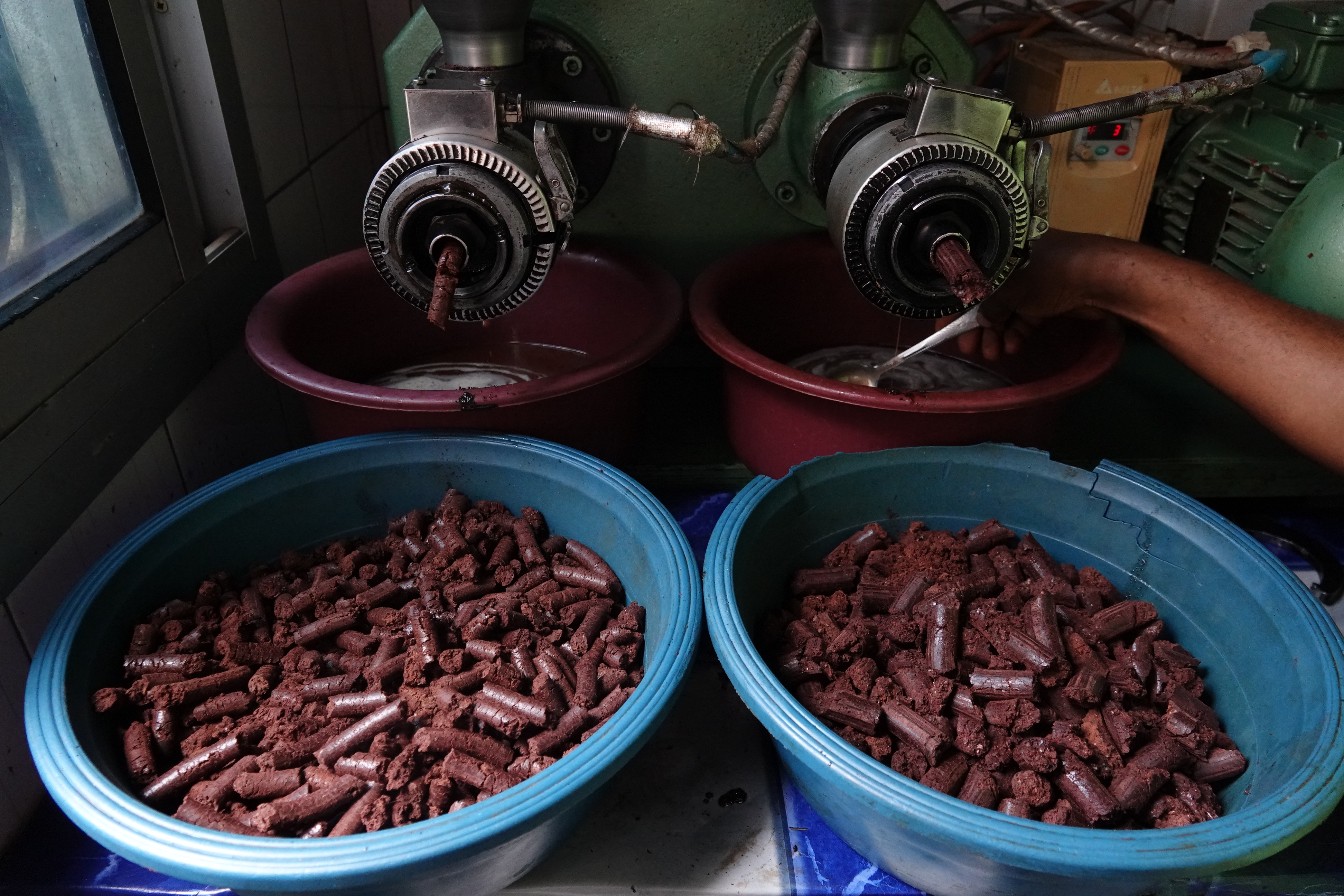
• accompanied Tropical Forest and Rural Development in their intervention zone to follow the progress of the development of value chains around non-timber forest products, cocoa, groundnuts, and chili peppers—providing sustainable income alternatives that aim to help reduce pressure on natural resources around the Dja Faunal Reserve. (Click here to read the dedicated article.)
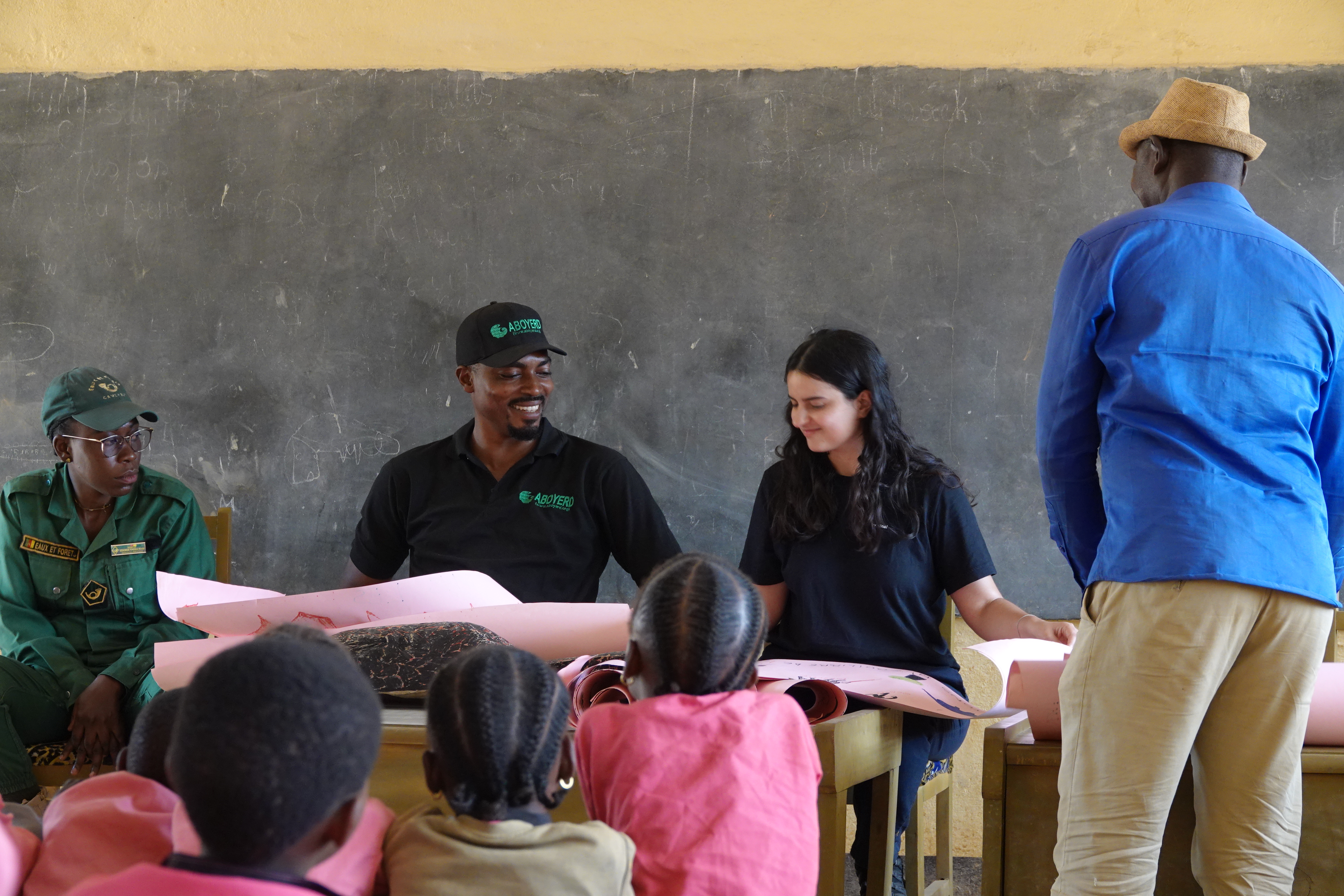
• met, alongside ABOYERD, with communities living on the outskirts of the Mbam Djerem National Park, who are involved in a project aimed at strengthening pangolin conservation efforts. (Click here to read the dedicated article.)
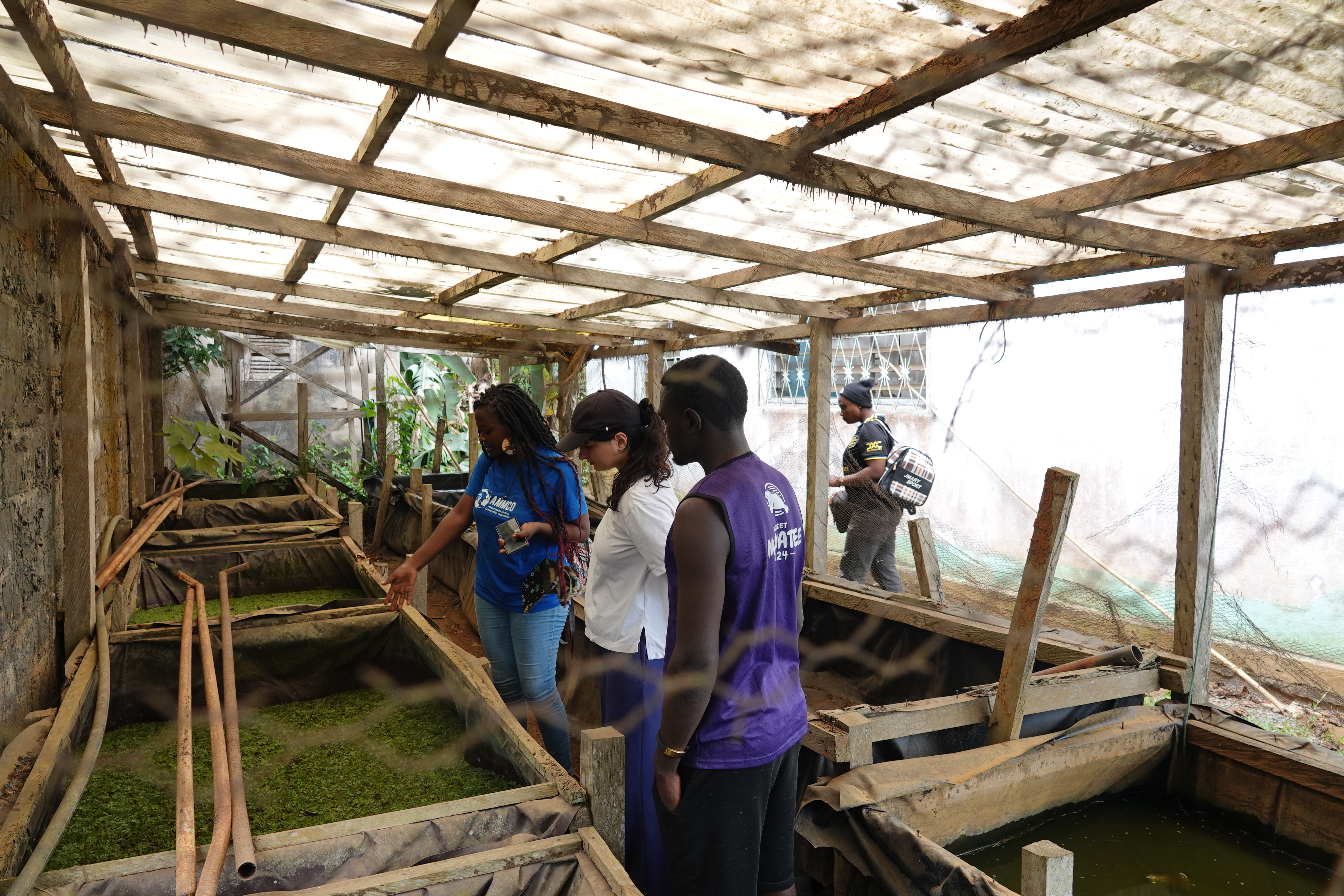
• met with other long-standing partners, such as the African Marine Conservation Organisation (AMCO), with whom we discussed improving the management of the invasive plant Salvinia molesta in the Lake Ossa Wildlife Reserve. (Click here to read the dedicated article.)
Beyond the monitoring and any technical recommendations that may result from them, these missions are essential to better understand the projets, their implementation contexts, and co-build high-quality partnerships.