


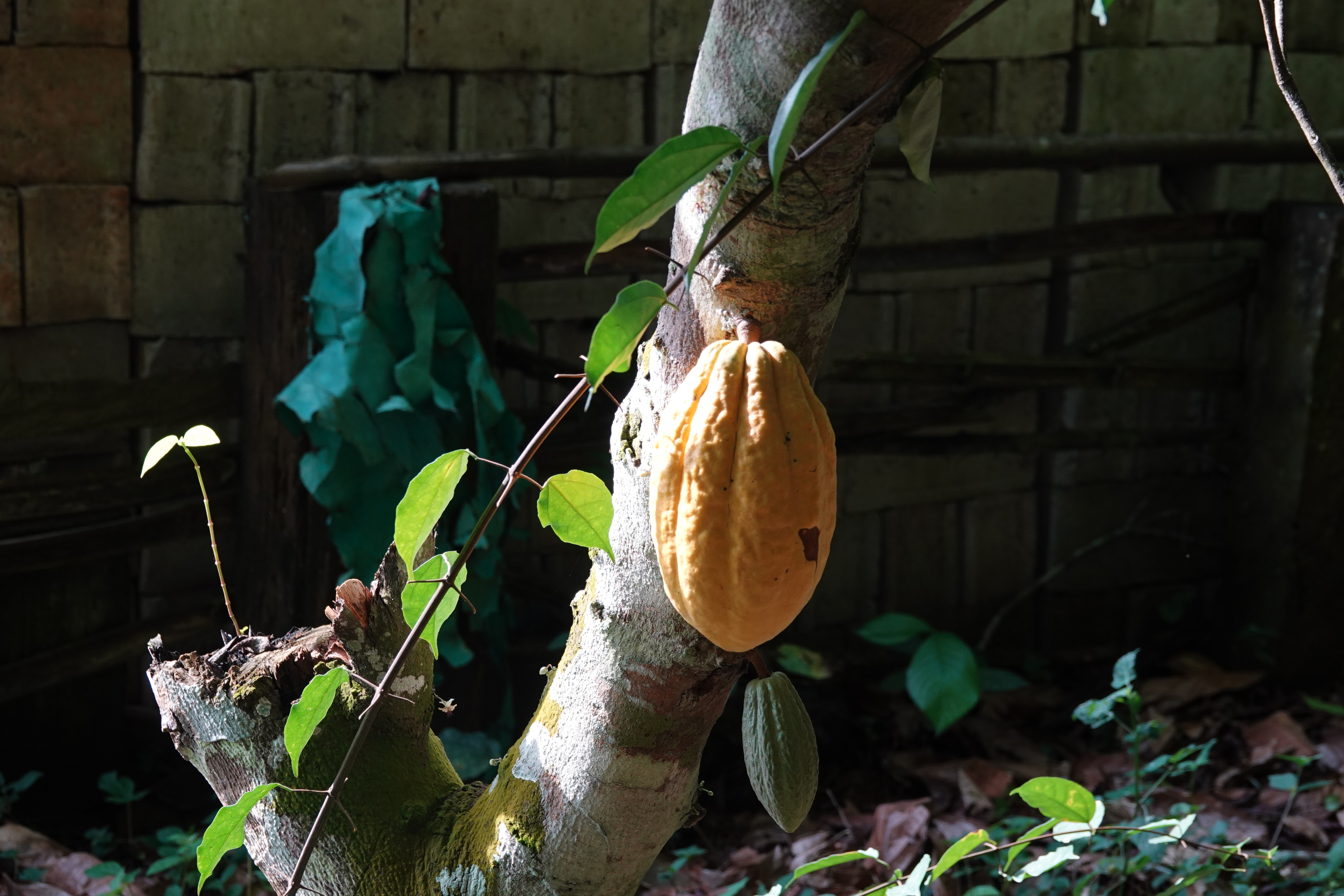
Meeting with beneficiaries of the agro-ecological value chains developed by TF-RD
Publié le 9 June 2026During monitoring and evaluation missions, the PPI team goes into the field to observe and understand local dynamics. In this context, Marie, a project officer, traveled to the periphery of the Dja Faunal Reserve, a key territory for biodiversity in Central Africa. This area is more broadly part of the biosphere reserve, listed as a UNESCO World Heritage site, where conservation challenges are closely intertwined with the economic realities of local communities.
On site, the project led by the association Tropical Forest and Rural Development (TF-RD) comes to life through the development of concrete value chains: agroforestry cocoa and non-timber forest products (NTFPs). But beyond the numbers—over 250 women trained, structured cooperatives, and income generated—it is the reality on the ground that gives the project its full depth.
In a Baka village, in Bifolone, exchanges with local residents help illustrate these impacts. They share with Marie what has changed since the trainings. Before, they explain, a significant share of harvests was lost due to a lack of appropriate techniques. Today, harvesting is more efficient, and yields are improving, particularly for cocoa.
The discussion then moves beyond technical aspects, and they speak about the forest and what it represents for them. They explain that it is a sacred place where their god, Edjengi, communicates with them. In these areas, nothing should be altered—neither the land nor the vegetation. Yet this place is not formally protected, and the fear of seeing these spaces disappear is very real. Although they no longer live there permanently, they strive to keep their traditions alive by taking their children to a “forest school.”
In an effort to value their territory in new ways, some also mention the development of local ecotourism, particularly through trails or cultural immersion experiences. However, on the ground, this option remains difficult to implement: limited skills, very few visitors, and insufficient infrastructure. It is an idea that looks promising on paper, but for now struggles to become a real economic opportunity.
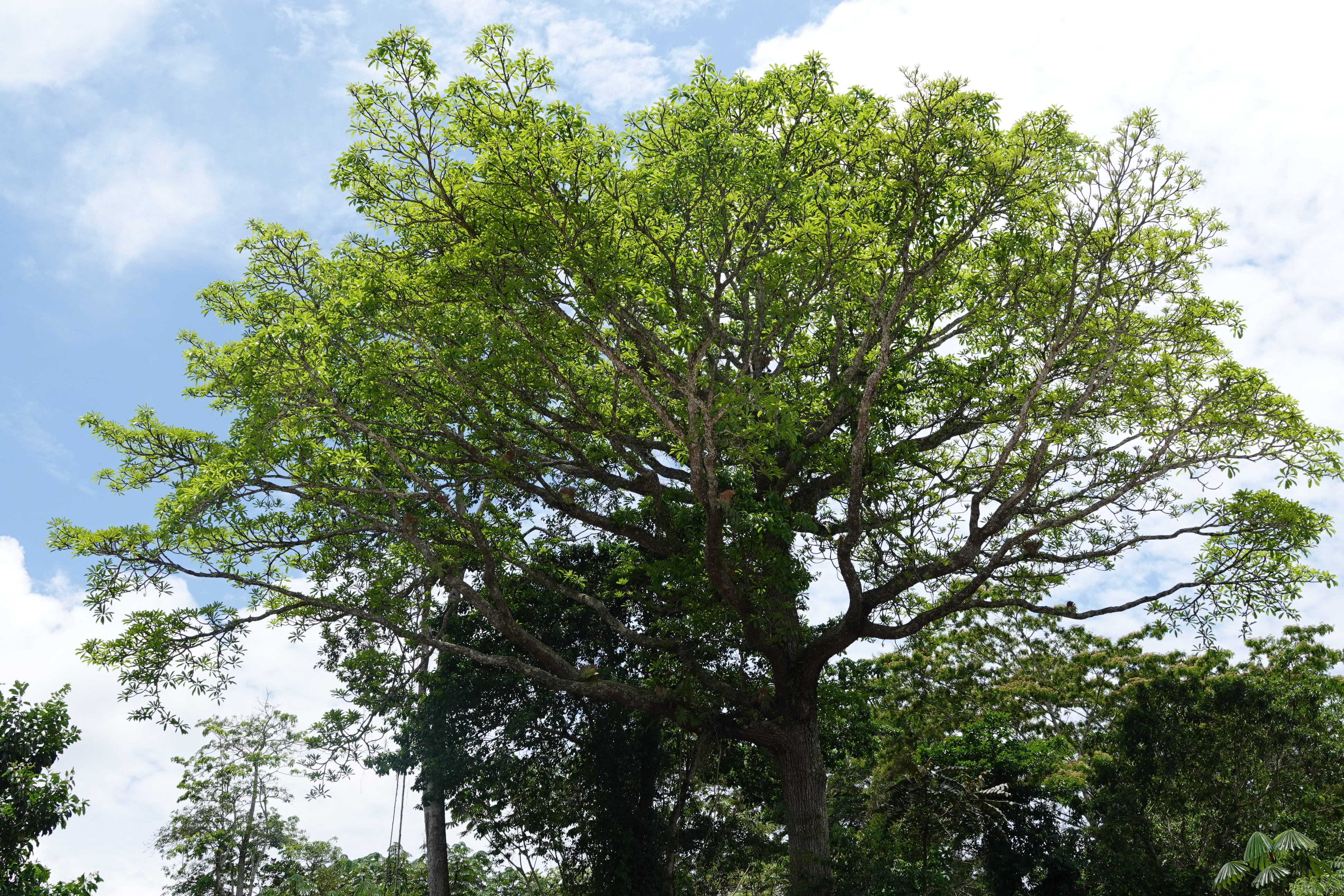
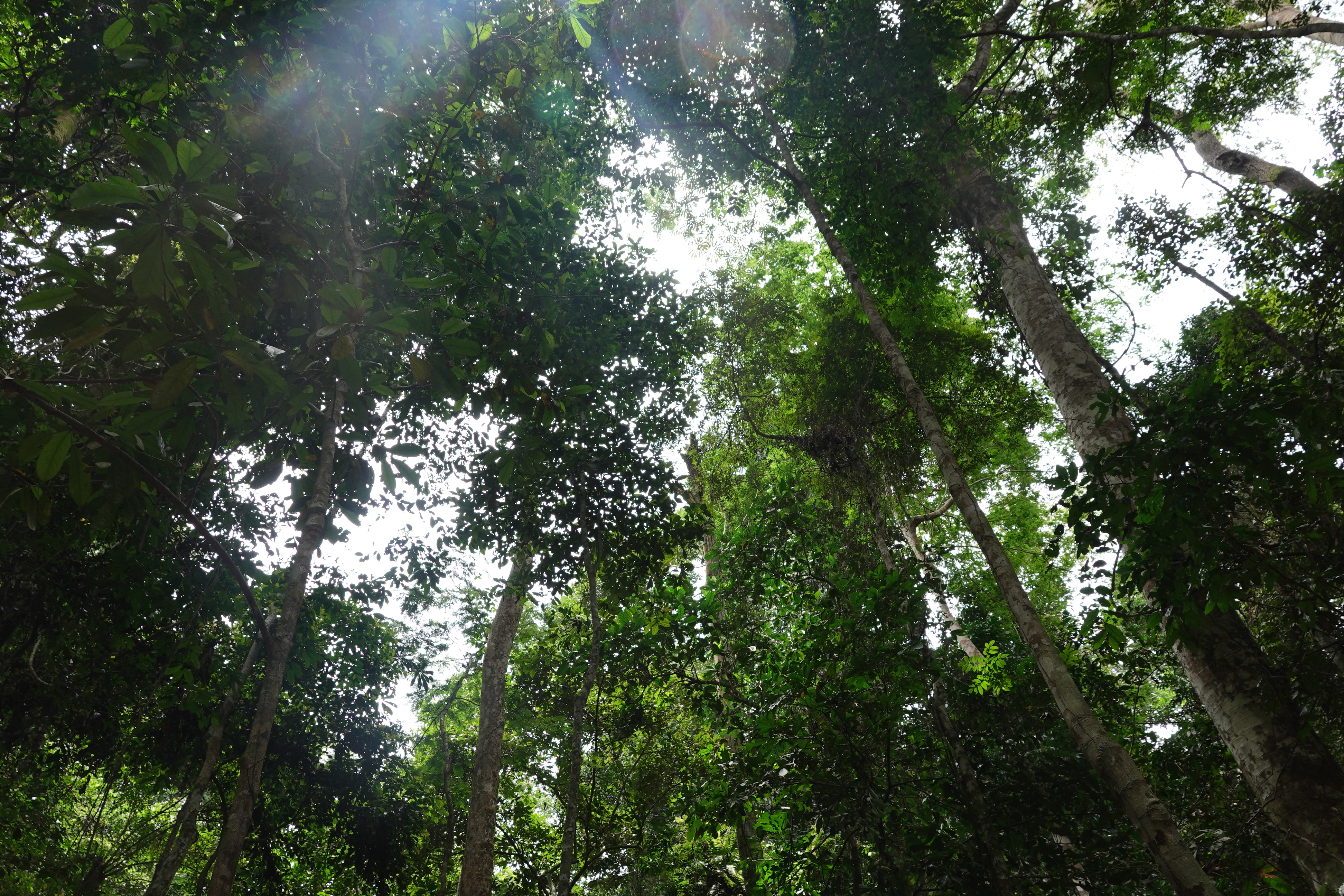
Sacred forest for the Baka people, around Bifolone. Credit: Marie Furtado, 2026.
These exchanges also highlight concrete needs. Some would like to expand cocoa cultivation, which is still limited to a small number of producers, a situation that can sometimes create tensions. Others point to the difficulties in accessing certain inputs needed for natural alternatives to pesticides. Women, for their part, express a strong interest in developing groundnut cultivation further, both for household consumption and as a source of income. All share a common concern: preserving the forest, not only for its resources, but also for what it represents as a heritage and a way of life.
Further along, a visit to the processing chain helps better understand the value of these value chains. Cocoa, for example, follows a precise process: pods are harvested and opened to extract the beans, which are then fermented and dried. Once sold, they are further processed in factories, including in Yaoundé, where they are dried again, sometimes roasted, and then pressed to extract cocoa butter and produce cocoa powder. From there, different products can be made, up to chocolate. This transformation work, often invisible, is nevertheless essential to create value and connect producers to markets.
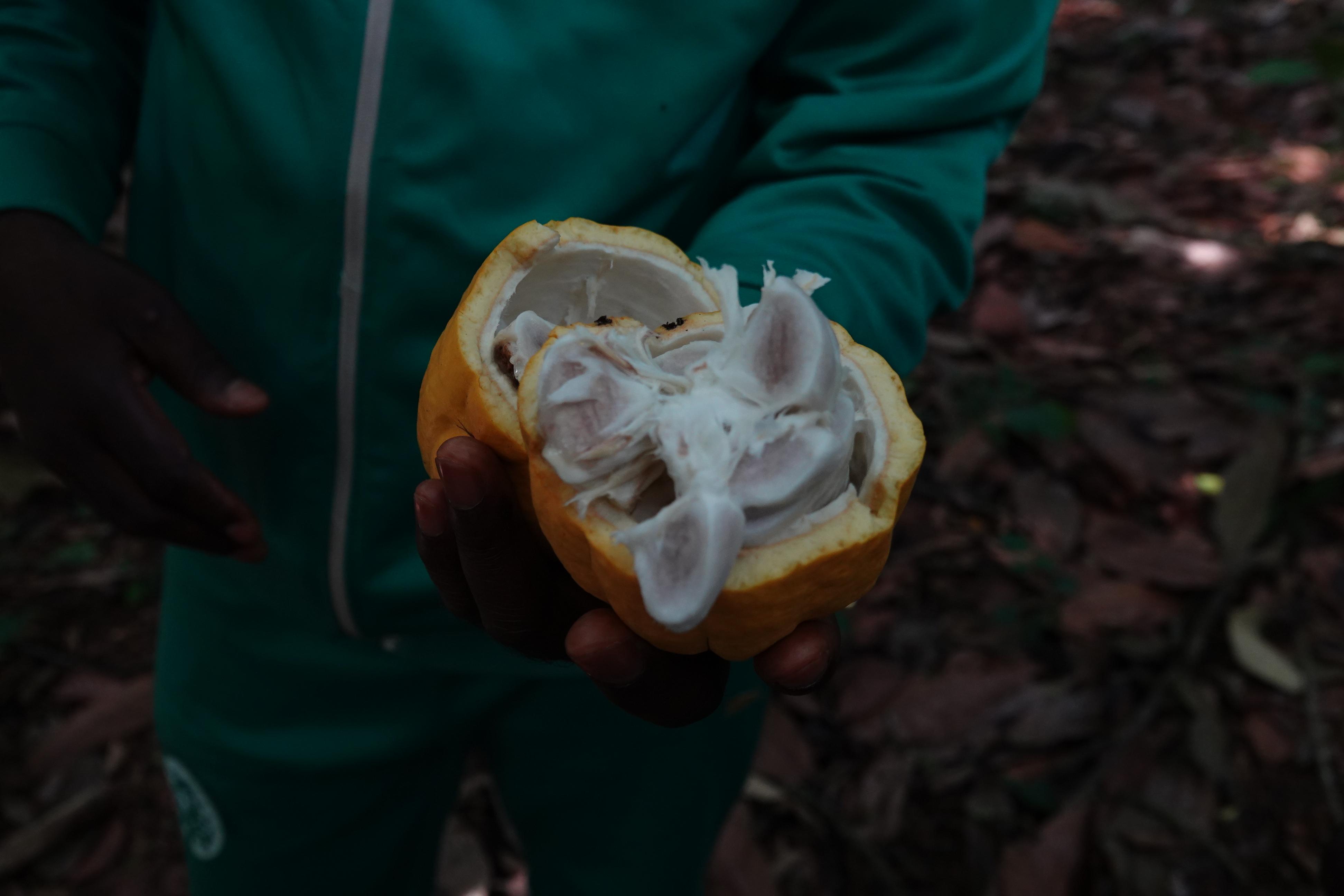
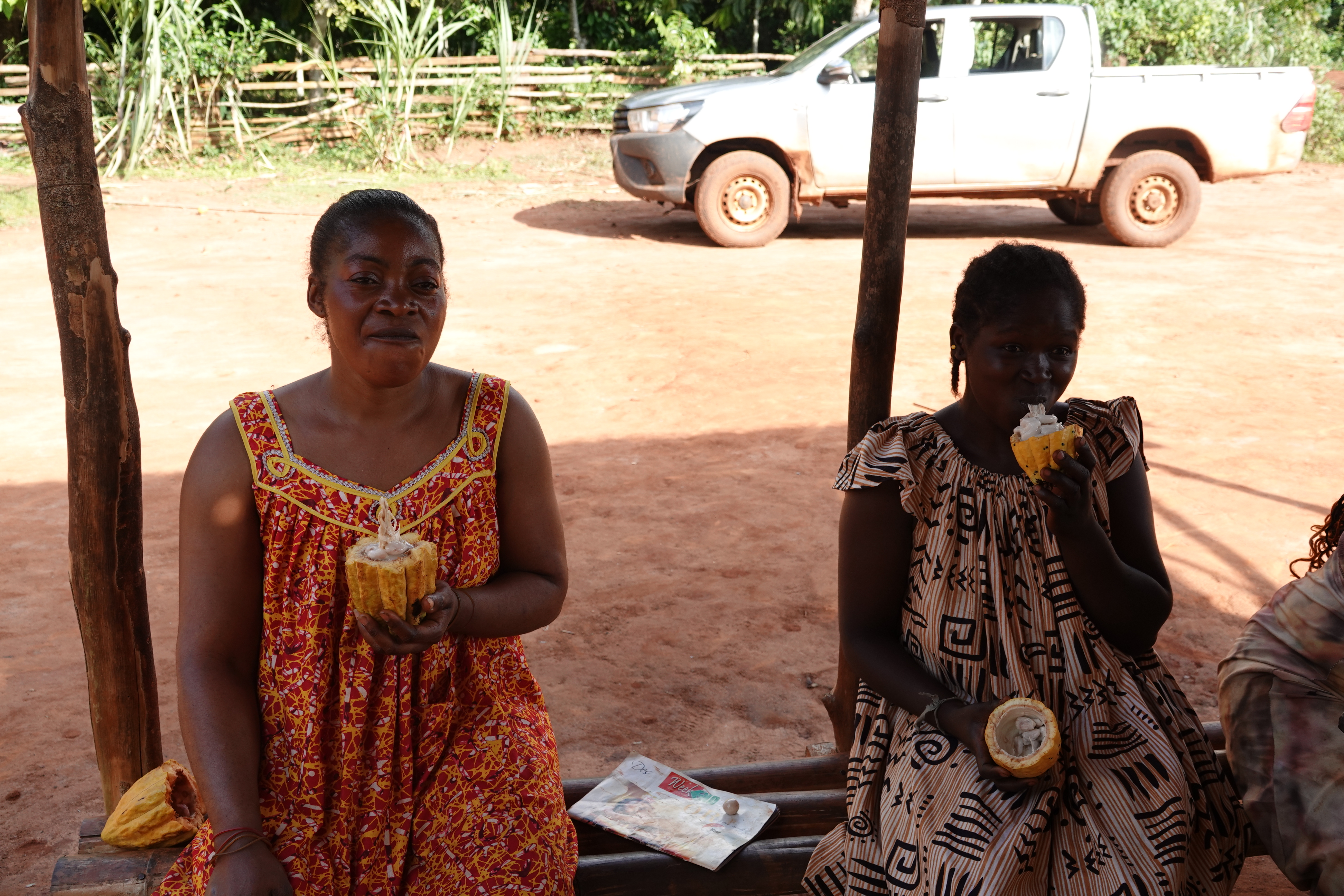
Harvesting and opening cocoa pods. Credit: Marie Furtado, 2026.
For non-timber forest products, such as njansang seeds, chili peppers, or groundnuts, organic certification plays a key role. It helps make these products more visible and attracts direct buyers, even though challenges remain, particularly in securing stable and regular market outlets.
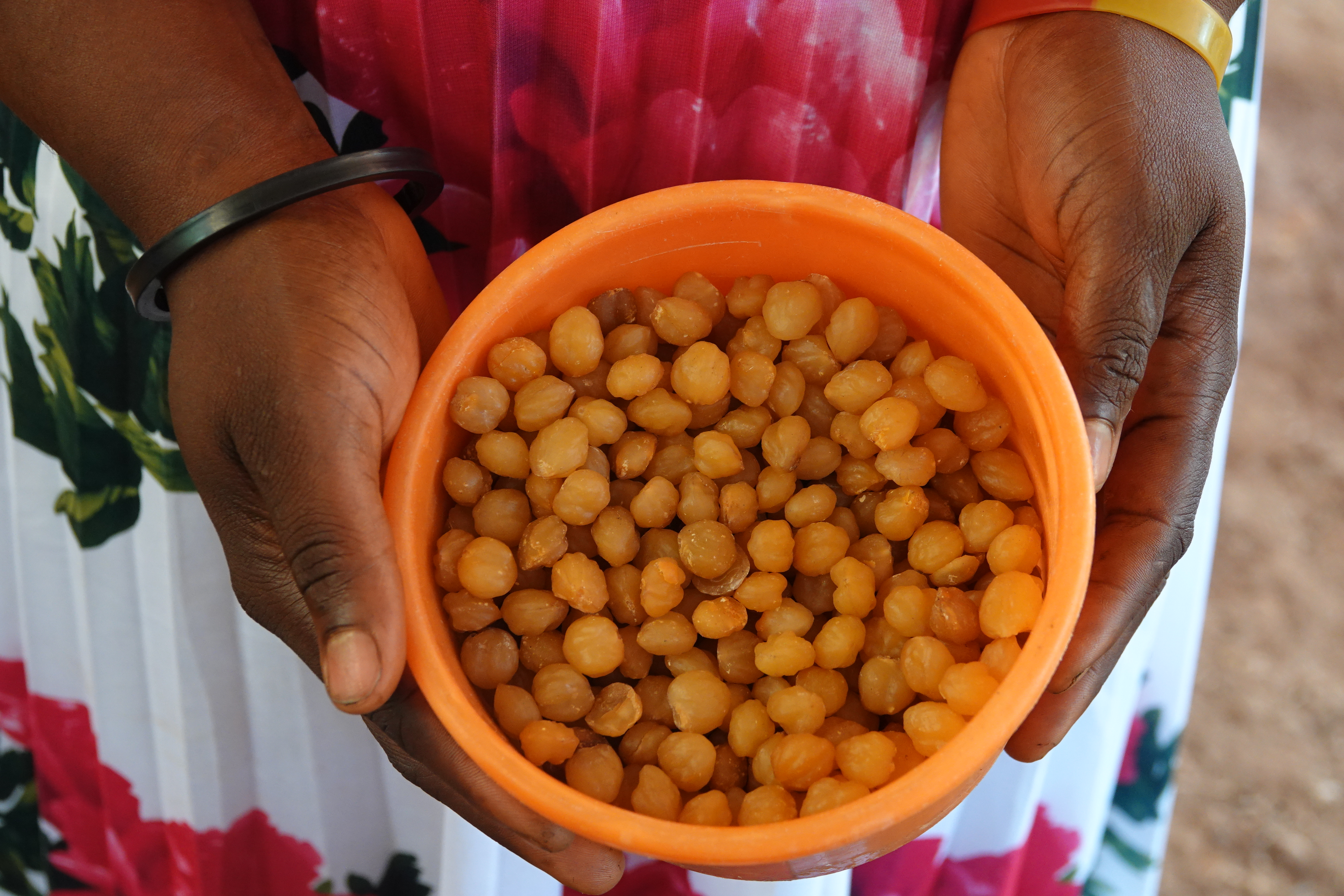
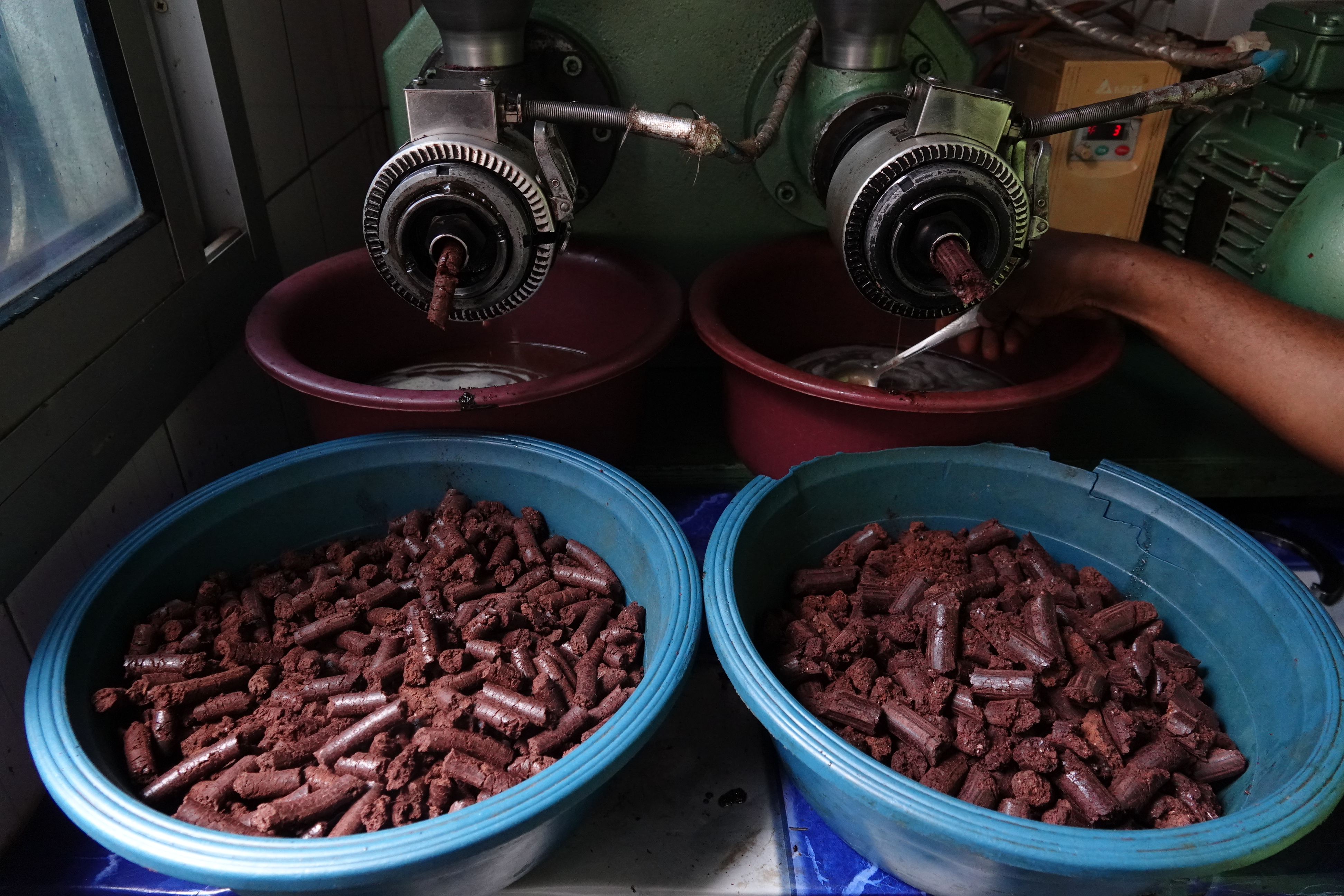
On the left, njansang seeds, and on the right, cocoa powder after cocoa butter extraction. Credit: Marie Furtado, 2026.
What this mission reveals is the full complexity of these projects. Behind measurable results lie human, cultural, and economic dynamics that no report can fully capture. By going into the field, the PPI seeks precisely to bridge this gap: to understand what is truly working, identify what needs to be adjusted, and above all, listen to those who experience these transformations on a daily basis. It is this approach, grounded in reality, that makes it possible to adapt projects more closely to local needs and to gradually build sustainable solutions.

