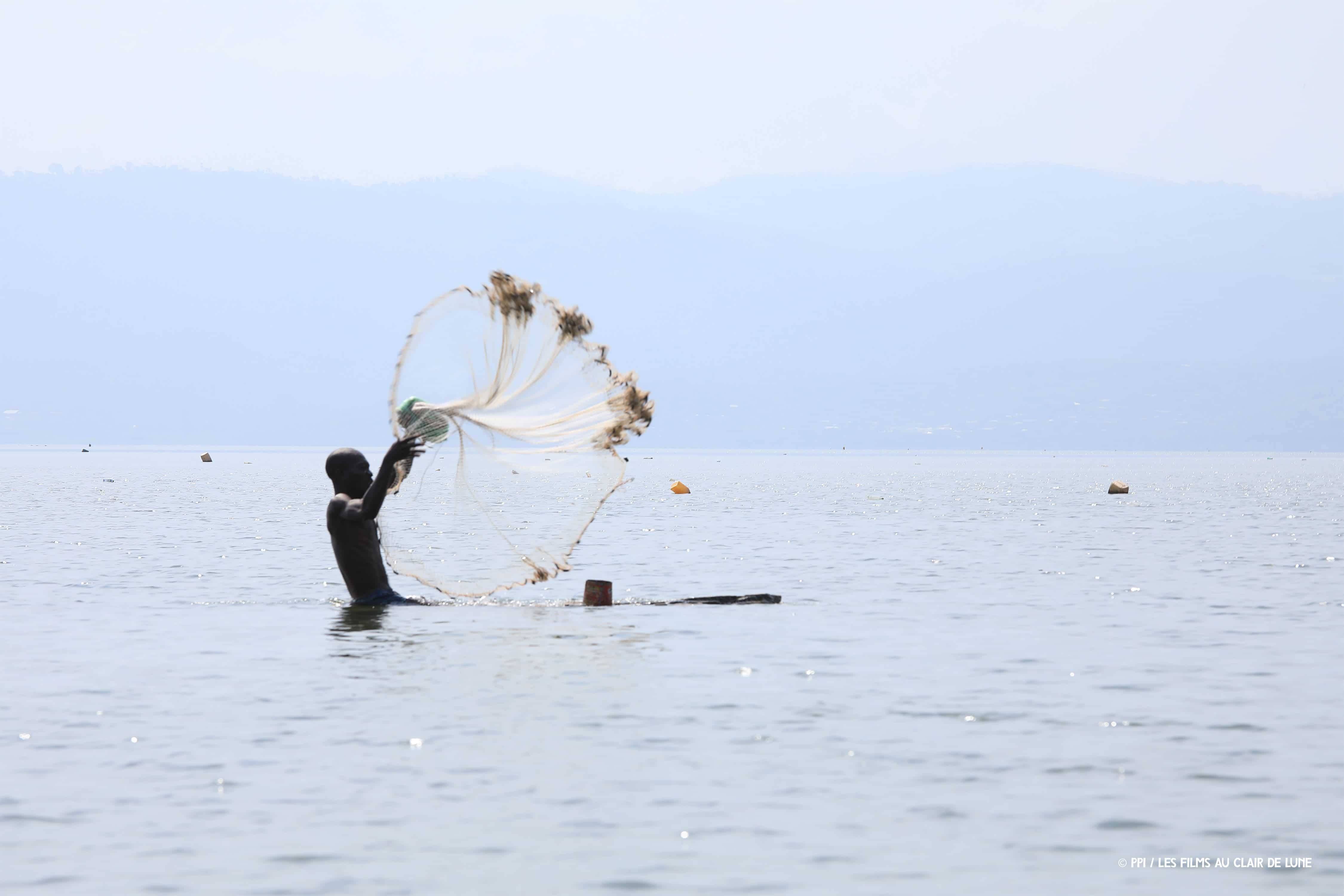
Through this project, WCS proposes to support civil society in Antongil Bay, Madagascar, by strengthening the capacities of a local association, the Plateforme de Concertation pour le Développement Durable de la Baie d’Antongil (PCDDBA) — an essential cornerstone for embedding sustainable resource management of the bay across all communities and stakeholders. Antongil Bay is one of the most productive bays in the Indian Ocean, owing to its wide variety of ecosystems, including reefs, mangroves, seagrass beds and numerous estuaries. Unfortunately, these environments are threatened, among other things, by unsustainable fishing practices and coastal habitat destruction. PCDDBA brings together all stakeholders and users of Antongil Bay’s marine and coastal environment, with the mission of facilitating consultation and coordination within the framework of the Integrated Coastal Zone Management process, launched nearly a decade ago in Antongil Bay. Unfortunately, PCDDBA currently lacks the capacities and resources needed to properly meet the challenges of this mission. To address this, the Wildlife Conservation Society proposes to strengthen PCDDBA in the following areas: i/ Support for promoting official recognition of PCDDBA; ii/ Strengthening PCDDBA’s governance structures; iii/ Support and capacity building for 27 village associations that are members of PCDDBA, to help them advance their initiatives for developing responsible fishing.
The project’s overall aim is the rational management of Antongil Bay’s marine and coastal resources. The specific objectives are:
• Strengthen recognition of PCDDBA among all stakeholders and technical and financial partners operating in Antongil Bay and the Analanjirofo region;
• Strengthen the capacities of PCDDBA’s governance structures;
• Support 27 member associations of PCDDBA across 25 villages in 9 priority intervention communes, in their local initiatives to develop responsible village fishing.