


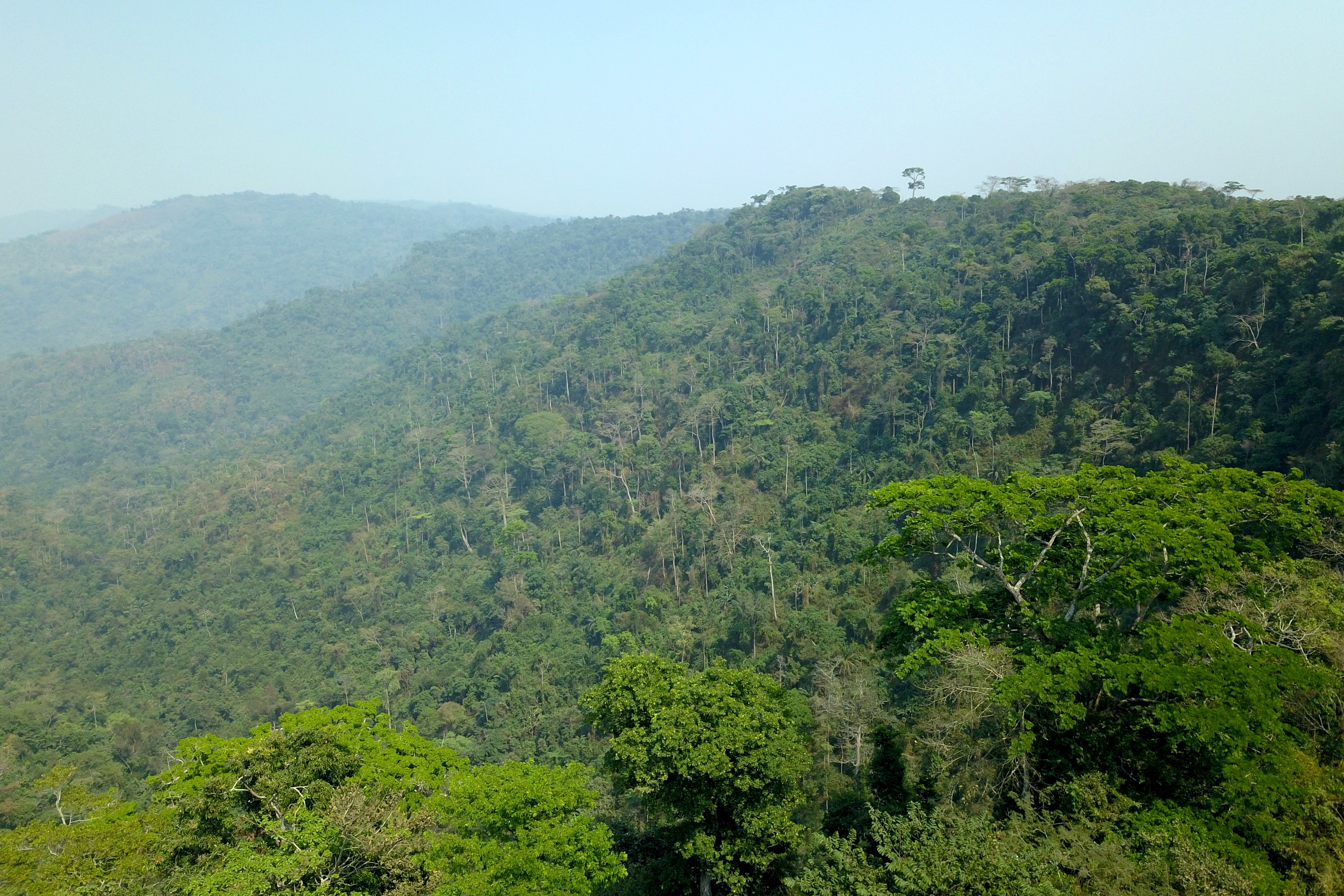
The forest corridor linking Ranomafana and Andringitra National Parks is of critical importance owing to its rich biodiversity and its socio-economic roles. The costs of its conservation are strongly felt by riparian populations, through the enforcement of various restrictions, hence the value of developing alternatives for their benefit.
Local ecotourism initiatives already exist in the rural communes of Ambohimahamasina and Iarintsena, following a process of natural resource management transfer to grassroots communities. After several years of experience (two years for Ambohimahamasina and five years for Iarintsena, home to the Anja village reserve), these initiatives deserve to be strengthened, though in different ways, as the issues at stake vary from one commune to another.
The commune of Ambohimahamasina lies at the narrowest and most critical point of the corridor, owing to the expansion of farmland to the west and slash-and-burn shifting rice cultivation practices to the east, threatening the corridor’s function as a genetic bridge. Tourism activities are therefore seen as an alternative to these farming practices. In addition, other natural resources are heavily exploited by the local population, to the detriment of sustainable management, though they provide household income across more than a dozen villages during the lean season.
As for the Anja village reserve, after 5 years of ecotourism experience, the site, managed by a local association, AMI Anja Miray, is now featured in tourist guidebooks and welcomes 4,000 visitors — more than Andringitra National Park itself. Part of the revenue is used to fund community development projects. It stands as a model in this field.
Increasing investment in tourism activities and improving the visitor facilities at Anja:
– Strengthening the capacities of local stakeholders in implementing this community-based tourism approach,
– Enhancing the value of specific local products (honey, craftwork).