ACODED is a small, recently established NGO with limited human resources, mainly volunteers, but with technical support from two French associations: Sitatunga and Des Éléphants et des Hommes. It works regularly in Waza National Park.
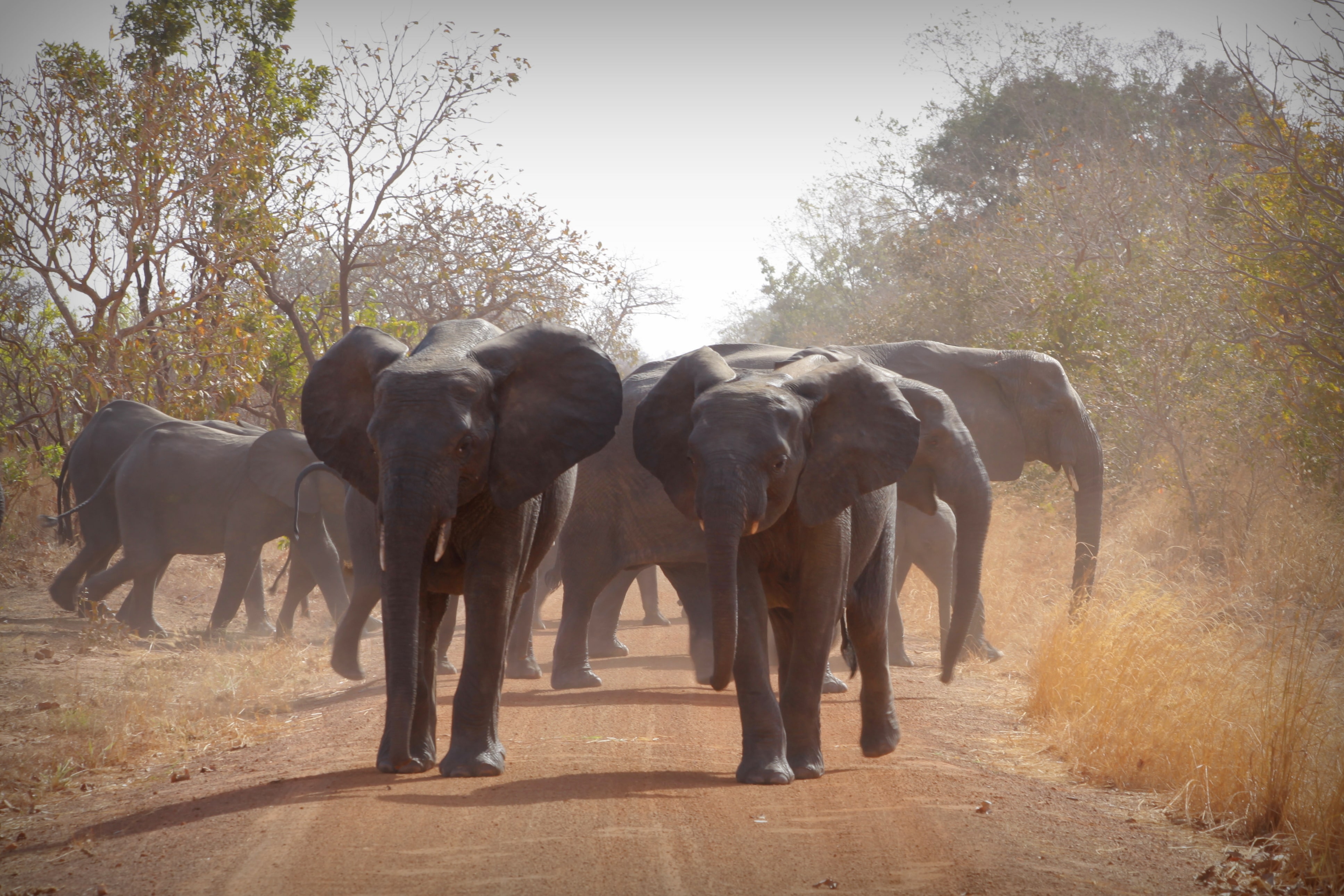
The elephant population of Waza National Park (PNW) is estimated, based on the latest surveys, at around 1,000 individuals. A large proportion of these pachyderms migrate seasonally outside the protected area. The situation there is particularly worrying: elephants continue to be poached during their migrations, notably across the borders with Chad and Nigeria. Recent events in Boubandjidda, located 400 kilometres south of Waza, show that the risks of poaching in Waza are considerable. In order to preserve its elephant population, the PNW must also address three major challenges: i) large-scale poaching poses, more than ever, a threat to Waza, all the more so as the park administration considers its anti-poaching capacity to be clearly insufficient. Strengthening ranger capacity and equipment is needed; ii) human-elephant conflicts are widespread in the area and require monitoring. A strategy to mitigate these conflicts needs to be developed, based on a study conducted around the park; iii) Waza and its surrounding area hold significant, largely underexploited, economic potential. The protected area and its elephants can and should contribute to the region’s sustainable development, but this requires promoting a positive perception, creativity and education.
The “elephant guard” micro-project is an additional component of the project, managed directly by PNW’s conservation services.
In light of the resurgence of elephant poaching observed in northern Cameroon in early 2012, and following an analysis of poachers’ operational strategy, it appears realistic to consider that an attack on elephants living in and around the PNW by these poachers is plausible. In partnership with the Extrême-Nord Rapid Intervention Battalion (BIR) and the Waza Sub-Prefecture, it was agreed to develop an early-warning system for threats facing the elephants of Waza National Park.
The objectives of this project aim to address these challenges: improve the protection of the park’s elephants by strengthening the technical and material capacity of the anti-poaching system, conduct a study assessing the state of human-elephant conflict around the PNW and identify suitable solutions to mitigate it, and finally, implement the “Mon voisin éléphant” (My Neighbour Elephant) environmental education programme for schoolchildren living around Waza.
In addition to the protected area, the villages concerned by the project are located along the elephants’ migration corridors, covering a total area of around 10,200 km².