JURISTRALE’s mission is to promote environmental law in the DRC. Its team has led the legal component of several projects/consultations in the Maringa-Lopori-Wamba (MLW) landscape (REDD, the creation of the Iyondji Reserve, conflict prevention and management, law enforcement and strengthening, etc.), supported by CARPE-USAID through AWF, with whom the NGO enjoys an excellent reputation.
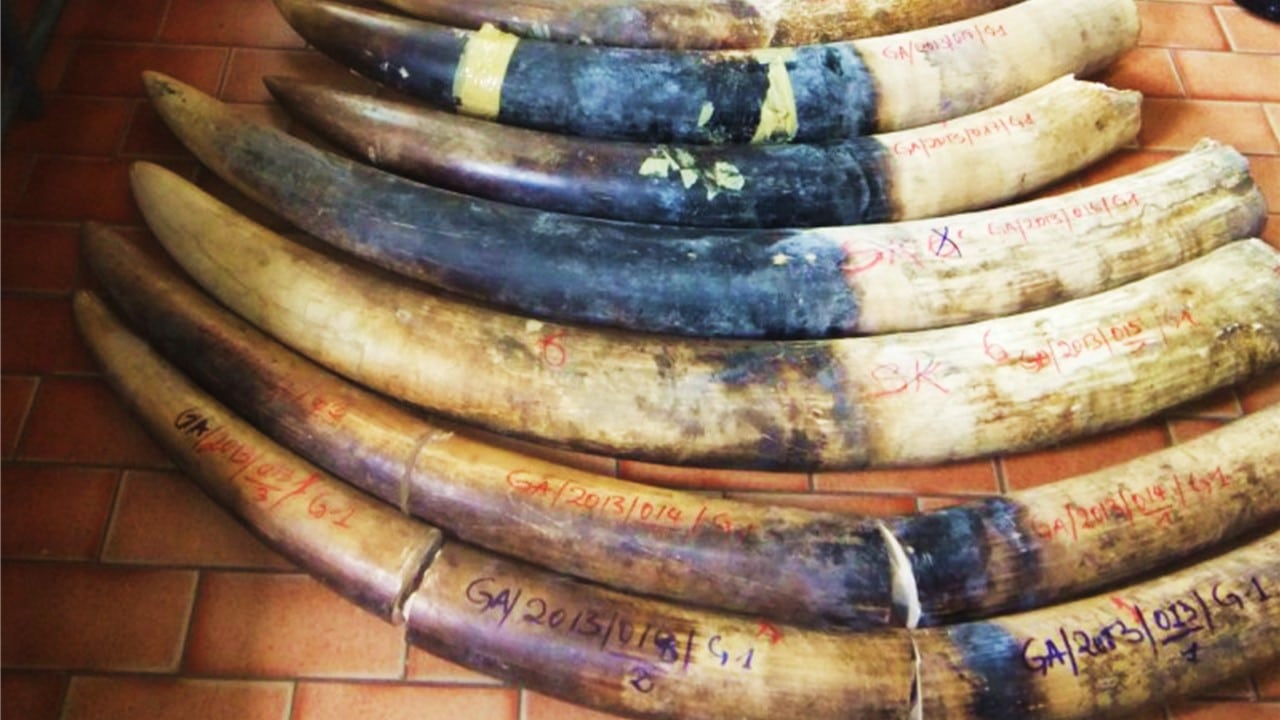
The project aims to discourage and, ultimately, stop the hunting and trafficking of bonobos and elephants in the MLW landscape, in northern DRC. This organised and structured practice has catastrophic consequences for these two iconic threatened species (EN and VU, respectively), which are hunted for their meat, the supposed aphrodisiac properties of certain organs, and ivory trafficking — despite being fully protected under Congolese law and CITES. This situation is essentially due to a lack of knowledge and effective enforcement of wildlife law on the ground, as well as a lack of understanding among communities of the issues threatening these species. The decline in populations is exacerbated by these species’ low reproduction rates and the strong pressure exerted on their habitat.
This project seeks to tackle the poaching problem by addressing the entire supply chain — from hunting to consumption, including trade. It targets 250,000 people for awareness-raising, as well as around ten journalists and 50 local stakeholders (inspectors, managers, local authorities, hunters, community representatives) for capacity building.
This project was designed in coordination with the consortium of conservation stakeholders in the Landscape, based on an agreed division of activities according to each partner’s expertise. Part of the project will be implemented within the Landscape, on the ground. Certain activities will focus on three major towns in the Landscape directly affected by these wildlife trafficking issues (Djolu, Lomako and Basankusu), while the awareness-raising and communication component will, for certain elements, have a national dimension.