APTE is a prominent NGO in Senegal, having benefited from international funding and having led the development of the National Marine Protected Areas Strategy, validated by the government in 2011. Between 2004 and 2008, FIBA, in partnership with IRD and Enda Graf Sahel, ran a project on oyster and ark shell harvesting called “Femmes et coquillages” (Women and Shellfish), in Fadiouth (110 km south of Dakar) and in 3 other villages in the area. This project builds on and extends the impacts of the earlier one, in collaboration with Enda Graf Sahel.
Based on the recommendations of the “Femmes et Coquillages” pilot project, APTE, in collaboration with ENDA, has developed a second phase at the Fadiouth site.
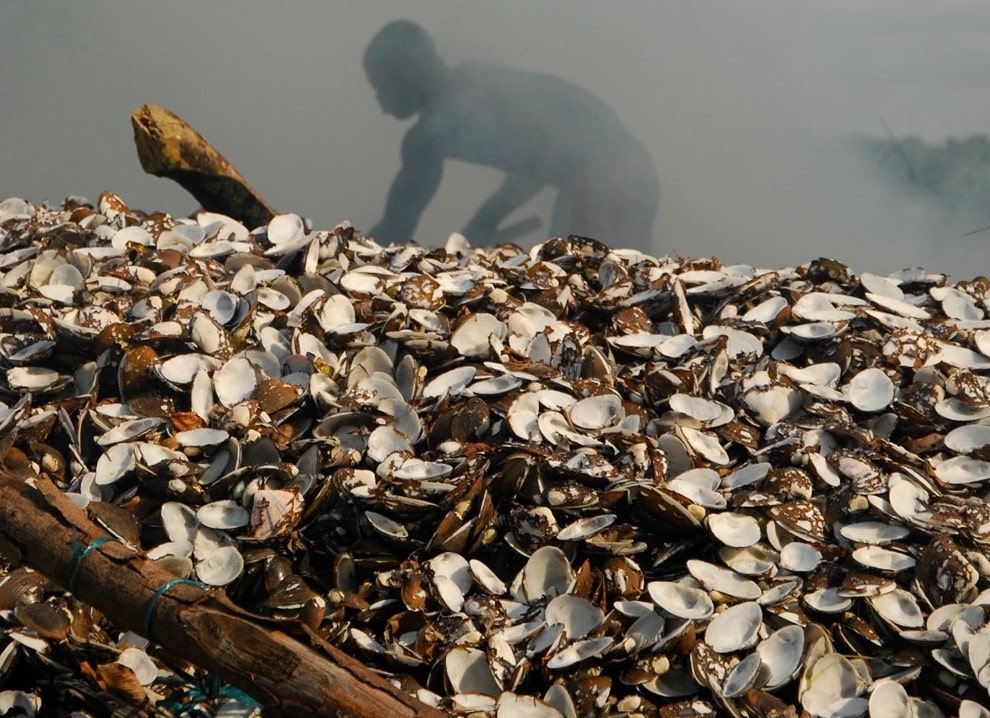
The commune of Joal-Fadiouth is home to a 17,400-ha Marine Protected Area (MPA), which hosts 56 fish species, 403 ha of mangrove, a Palearctic waterbird population estimated at 52,000 individuals across 70 species, and protected species (green turtle and leatherback turtle, manatee, 20 species of migratory waterbirds, etc.). Its shellfish fauna is particularly rich in ark shells (Anadara senilis) and oysters (Crassostrea gasar).
Fishing is the main economic activity. Shellfish (ark shells, murex and oysters) play a crucial role in the local diet and have long served as the main source of income for 75% of women. Shellfish harvesting is the only sector of the fishing industry where women still control the entire production chain, from collection to processing and sale of the finished products. However, in recent years, the long-term availability of shellfish resources has come under threat, due to increased human pressure combined with environmental changes. Beyond the sheer scale of harvesting, the collection technique — cutting the mangrove roots on which wild oysters attach themselves — causes severe damage to the mangrove. The depletion of stocks ultimately threatens women’s economic independence.
Given these numerous constraints, this project builds on the achievements of the FIBA project, notably by strengthening and consolidating the process’s autonomy, applying an equity-based approach, developing processed product value chains, consolidating past gains, adapting shellfish management regulations based on scientific input, establishing participatory monitoring of shellfish resources, and running socio-cultural outreach activities.
The project aims to improve community-based management of shellfish resources by promoting sustainable harvesting practices, improving and diversifying products to enhance livelihoods, and reducing poverty and vulnerability among women processors living within the marine protected area.