The Village Wildlife Resource Management Associations (AVIGREF) of Pendjari National Park in northern Benin were established in 1996, with the aim of involving the populations of villages bordering the park in implementing environmental conservation activities. Alongside this, AVIGREFs are also responsible for identifying and implementing various alternative income-generating activities.
The 23 AVIGREFs thus take part in ecological monitoring activities. In return, a share of the tourism revenue generated by Pendjari National Park is paid back to them. The various AVIGREFs are grouped together within a non-profit association, known as the union, which is leading this project.
Although fully aware that the presence of animals in the National Park can generate significant income and create new jobs, local populations currently face a recurring problem which, if left unresolved, risks undermining the balance established between the Park and surrounding communities.
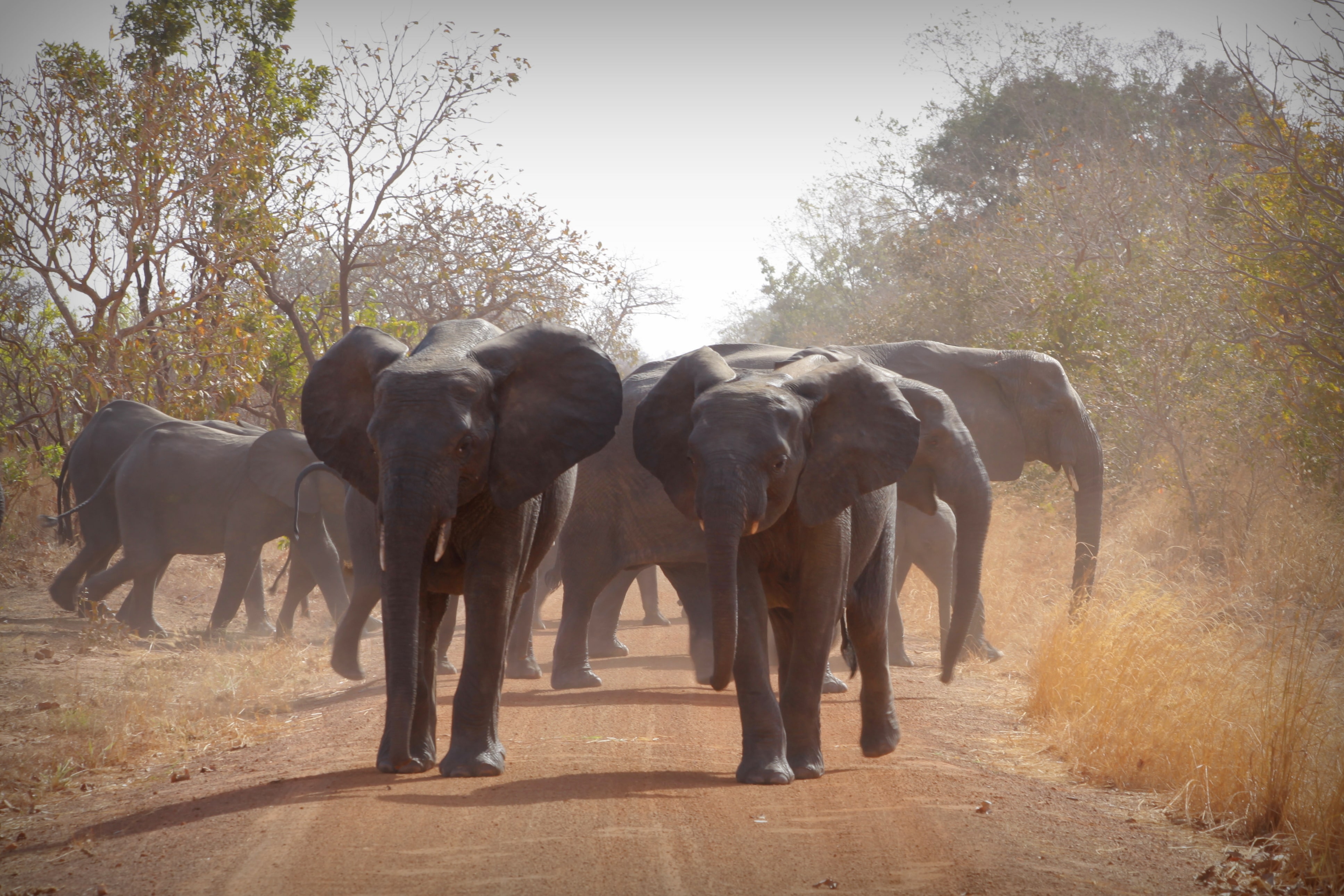
Indeed, for the past decade, elephants have regularly entered fields bordering the park and destroyed crops, particularly cassava, yam and sweet potato. The damage caused threatens the food security of affected families and risks, over time, sparking conflict between humans and elephants.
The Pendjari AVIGREF union has decided to implement, in collaboration with the park’s management, a number of activities aimed at reducing human-elephant conflict while contributing to local development within the Controlled Occupation Zone (ZOC), the part of the park where farming is permitted.