The Beninese NGO AFEL, established in 2003, is a small association that brings together and works with women from the Abomey-Calavi/Ouidah/Grand Popo lagoon complex, a RAMSAR site known as the Intercommunal Eco-Development Zone (ZIED).
The project operates across 400 km² of coastal wetland, made up of mangroves, marshy and dry savannas, and patches of sacred forest, separated from the sea by a sandbar. 100 households and around 3,000 people are directly concerned by the project.
The local economy is dominated by fishing and salt production, but growing population pressure and the lack of economic alternatives continue to place strain on fish stocks and wooded areas, compromising the services provided by mangroves to local populations as well as biodiversity (migratory birds, manatees, sitatungas)…
In response to this situation, between 2009 and 2011, with support from the PPI (phase 1) and IUCN NL, AFEL mobilised local riparian populations to reduce these pressures through solar salt production by 500 women, and implemented conservation measures by sacralising areas through voodoo rites and monitoring them, resulting in 145 ha of mangroves being placed under set-aside protection, along with the restoration of degraded areas.
Voodoo-based protection continued in 2012, covering an additional 30 ha thanks to GEF/SGP funding, bringing the total protected area to 175 ha.
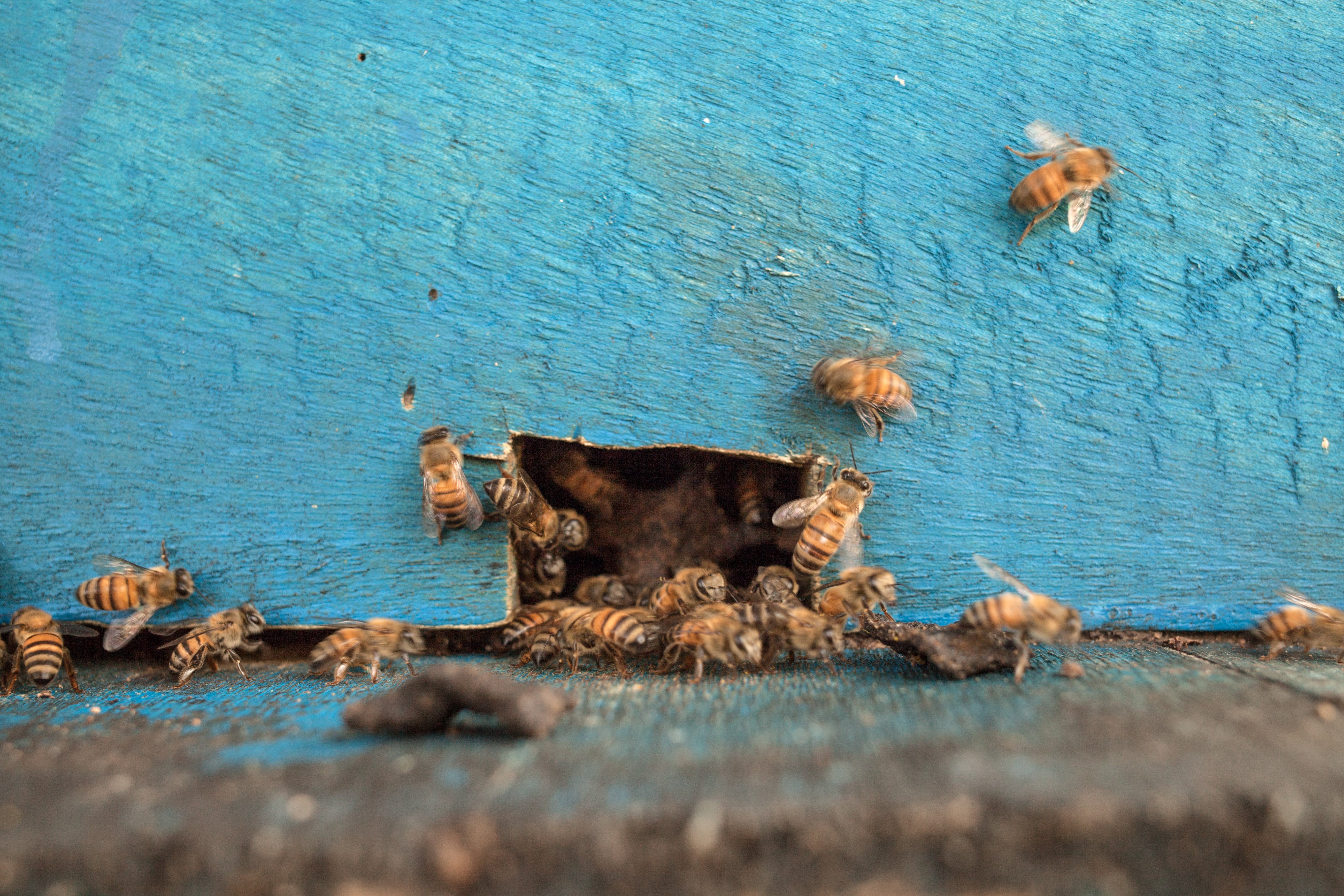
The project submitted here aims to develop a new income-generating activity — beekeeping — which will strengthen the alternative income sources already established. It will be carried out in 5 villages: Adounko-Daho in the commune of Abomey-Calavi; Ahloboé, Aïdo and Meko in the commune of Ouidah; and Allongo in the commune of Grand-Popo.
The technique promoted, guided by a beekeeping expert who previously benefited from a PPI grant (association Ferme Apicole de Tobé, FAT), will be improved traditional beekeeping using Kenyan top-bar hives, which offer several advantages: durability, low maintenance, the ability to strengthen colonies, and ease of honey harvesting.
The hives will be installed in a 75-hectare mangrove area, where beekeepers will oversee the conservation of natural resources. A conservation status assessment of this area, before and after the project, will be carried out by the beekeepers themselves.