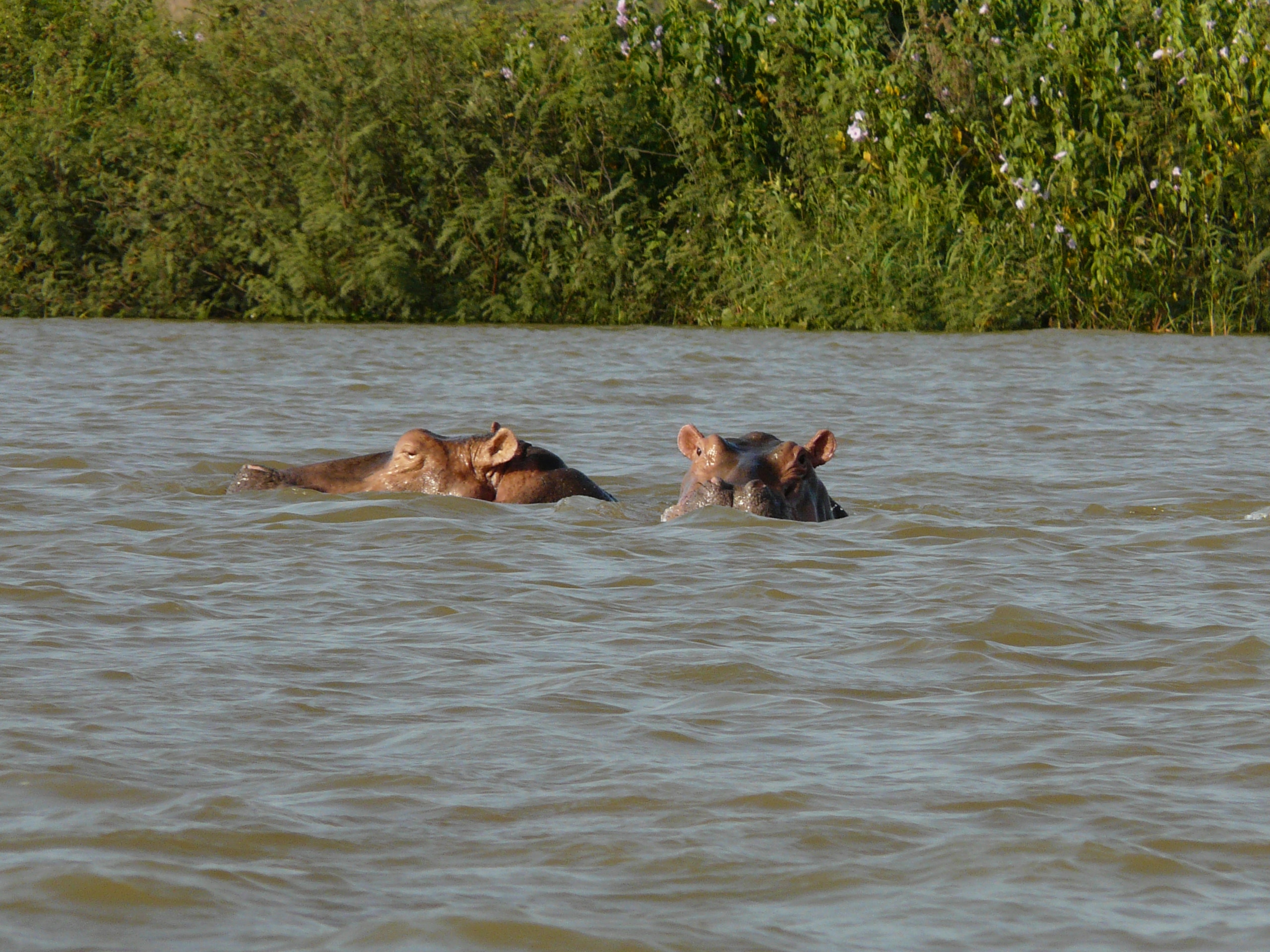
This hippopotamus conservation project operates in an area with high human population density (200 to 300 inhabitants per square kilometre) along Benin and Togo’s coastal zone, where land tenure issues are significant and agriculture is the main activity, employing nearly 80% of the population.
In their search for land, farmers are converting wildlife habitats into cultivated fields, giving rise to human-hippopotamus conflicts, resulting in crop damage and the illegal killing of animals. Fishers, for their part, sometimes report the destruction of their fishing gear.
With no protected area whatsoever in place, there are a few inaccessible islets where the area’s remaining wildlife concentrates. However, growing population pressure is increasingly threatening these islets, which are either community-owned sites or individual properties.
The initiative, underway for 4 years now, aims to secure the land tenure status of individual sites for the benefit of threatened species conservation. The situation in the Mono/Couffo valley serves as a textbook case for West Africa in hippopotamus conservation and their coexistence with local populations.
The project aims to safeguard biodiversity and threatened species, including the hippopotamus, and to improve local populations’ living conditions through the establishment of a 400-ha pilot community biological reserve as a scientific, cultural and educational resource in the Mono River valley.
The project’s various beneficiary groups are farmers, fishers, herders, hunters, traders, and women, particularly for their use of firewood needed for fish smoking.