


• The organisation of discussion sessions with fishers
• The supply of sawdust fuel to smokehouses
• The identification of other energy sources
• The creation of a distribution chain for sawdust
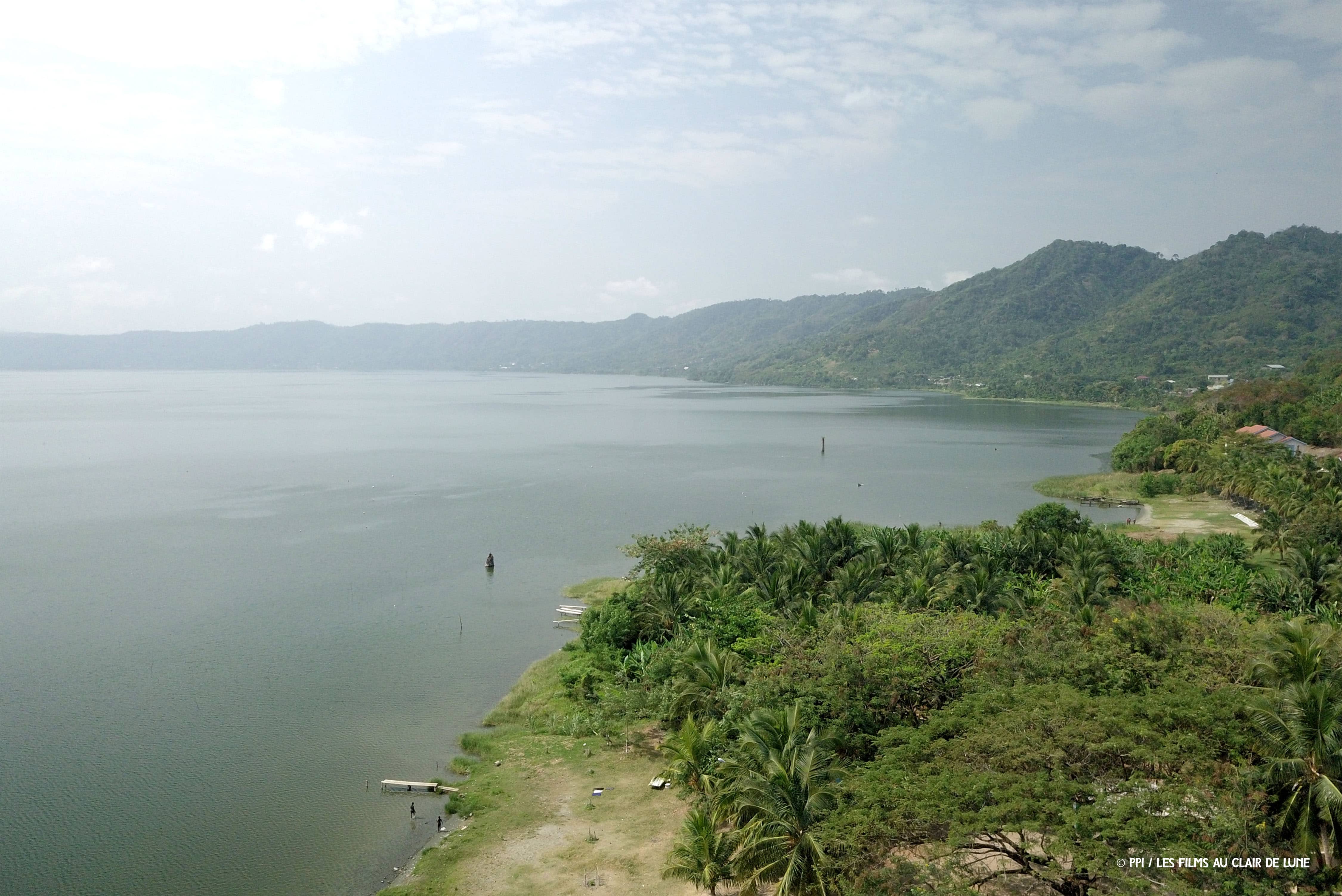
The waters surrounding Akanda National Park give it exceptional beauty, reflected by the dense mangrove forests lining the banks of all the Park’s waterways. Around the estuaries, a great diversity of birds — terns, swallows and ospreys — can be observed all year round. Alongside the small fish they catch at sea, these birds are drawn by the crab colonies that stretch as far as the eye can see along the beaches. Akanda National Park is an important stopover site for migratory birds.
Yet this ecosystem is under threat, as mangrove wood is used extensively by fishers to smoke fish, and the degradation process is intensifying. There are already major gaps in the Park’s mangrove ecosystem, with Rhizophora the most sought-after species.
The project aims to reduce pressure on Akanda National Park’s mangrove by providing an alternative energy source: wood sawdust. This would allow fishers to do without mangrove wood in their activities.
The project’s direct beneficiaries are the fishers of Assimba Island and those of the village of Moka, who — provided the mangrove is preserved — should be able to remain in the park and continue fishing, adopting a more sustainable approach.
The indirect beneficiaries of mangrove conservation are future generations of fishers and fish consumers (in Libreville), since without mangroves the fisheries resource would likely become scarce.