


- Human-wildlife coexistence
- Beneficiary Cabo Delgado Biodiversity and Tourisme Limitada
- Montant du projet € 174 200
- Subventions FFEM € 50 000
-
État du projet achevé
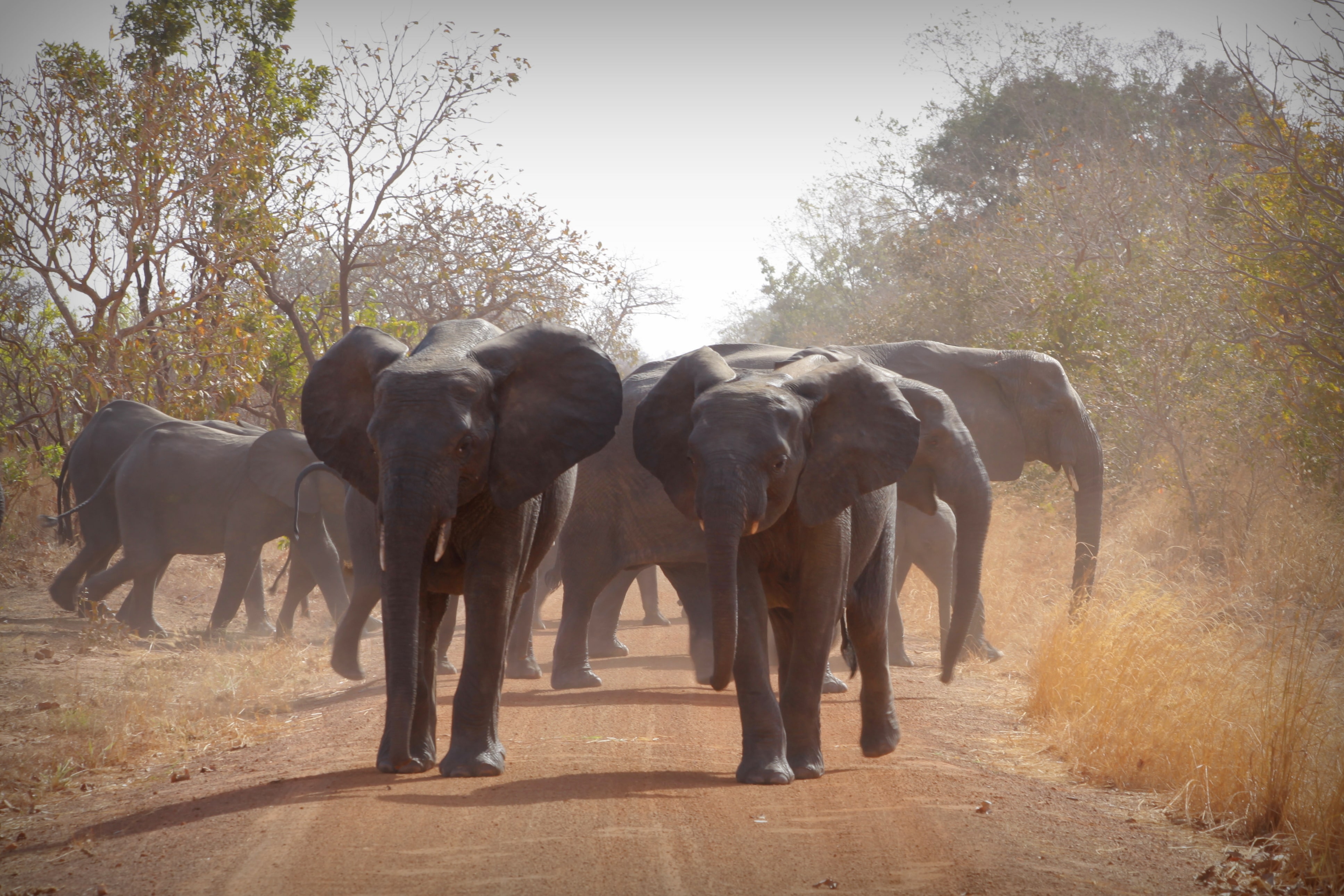
The Cabo Delgado elephant population represents one of the last coastal elephant populations in East Africa and is one of the most significant in Mozambique. The abundance of perennial water, the wide diversity of still-intact habitats and the low human density favour the concentration of large mammals in this area. However, the rural populations of this region suffer from the presence of elephants, which regularly destroy their crops and directly attack humans. In the 30,000-hectare area targeted by the project, 17 attacks on humans were recorded between 2003 and 2006, 7 of which were fatal, along with more than 130 attacks on crops.
The project’s main objective is to develop the conditions and mechanisms necessary for sustainable coexistence between elephants and humans in the Quiterajo area, in order to reduce the negative impact of the conflict as much as possible and provide a conflict management model that can be replicated elsewhere in Mozambique.
The project’s beneficiaries are the rural communities of the Quiterajo area (Macomia District), home to 8,600 inhabitants, the vast majority of whom live off subsistence farming and fishing. Farmers and women will particularly benefit from the project, as they carry out the majority of agricultural and water-collection activities.