


The PPI: anchoring local action, nurturing a collective
Publié le 3 July 2026Funding conservation projects in Africa is good, but growing a community of committed actors is better.
The PPI is a support scheme dedicated to building a strong African civil society, committed to fair and equitable biodiversity conservation.
To achieve this, we provide financial support to projects led by local organisations — whether emerging, in the process of structuring themselves, or already well established — recognising their legitimacy to develop solutions suited to their own territories.
And we firmly believe that human support is essential to build a lasting relationship with project leaders and ensure the long-term impact of their actions.
That is why the PPI operates as a network, maintaining strong ties with its partners before, during and after the implementation of the projects it supports.
At their request, our organisational development officers (CDOs) step in to help them achieve their goals, in particular through:
• the formulation of projects submitted to the PPI, or to other donors in the case of long-standing partners;
• the facilitation of organisational assessments to design and implement organisational development action plans;
• as well as day-by-day requests: coaching, webinars, connections with technical and financial partners, etc.
The PPI’s role is to support and showcase the local expertise of its partners. Project monitoring and evaluation is also carried out by the organisations themselves, as they have the best understanding of the realities on the ground in their territories. Organisational development officers (CDOs) can thus be mobilised at the organisations’ request to support certain monitoring processes, while the PPI team in France compiles field data to measure the programme’s overall contribution to conservation, inclusion and local development.
But for the PPI, monitoring cannot be limited to remote exchanges or numerical indicators. That is why the team regularly travels to the field to meet project leaders and beneficiaries, listen to their feedback, gain a better understanding of local contexts and identify, together, the successes achieved, the challenges encountered and the needs for the future.
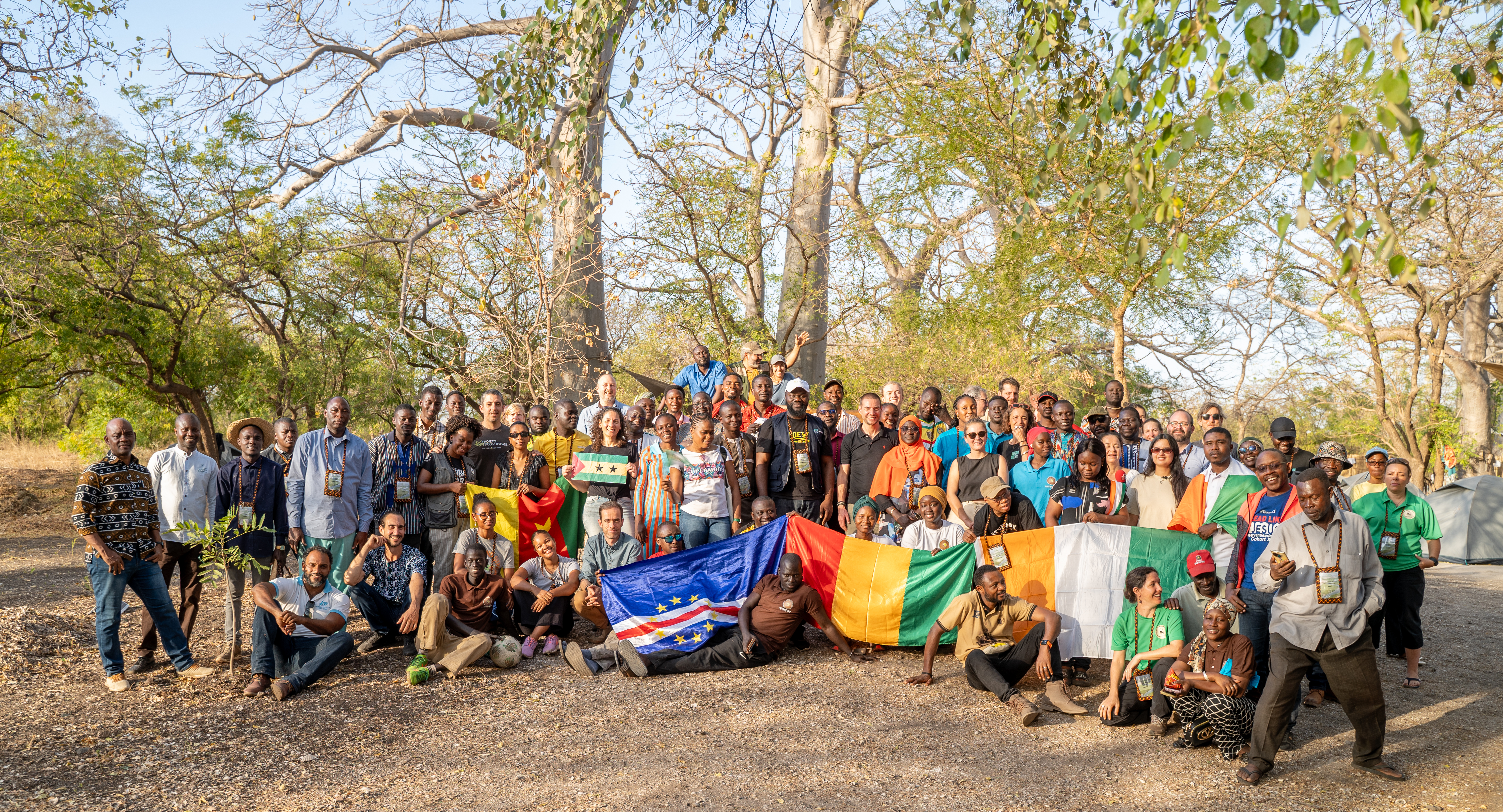
Over the years, this approach has built far more than a portfolio of projects: it has created a community of organisations that share their experiences, support one another and strengthen their collective capacity for action. Because behind every conservation indicator, there are above all women and men committed to their territory — people who must be listened to, supported and empowered to grow over the long term.