Protecting pangolins by working with communities: ABOYERD’s approach in Cameroon
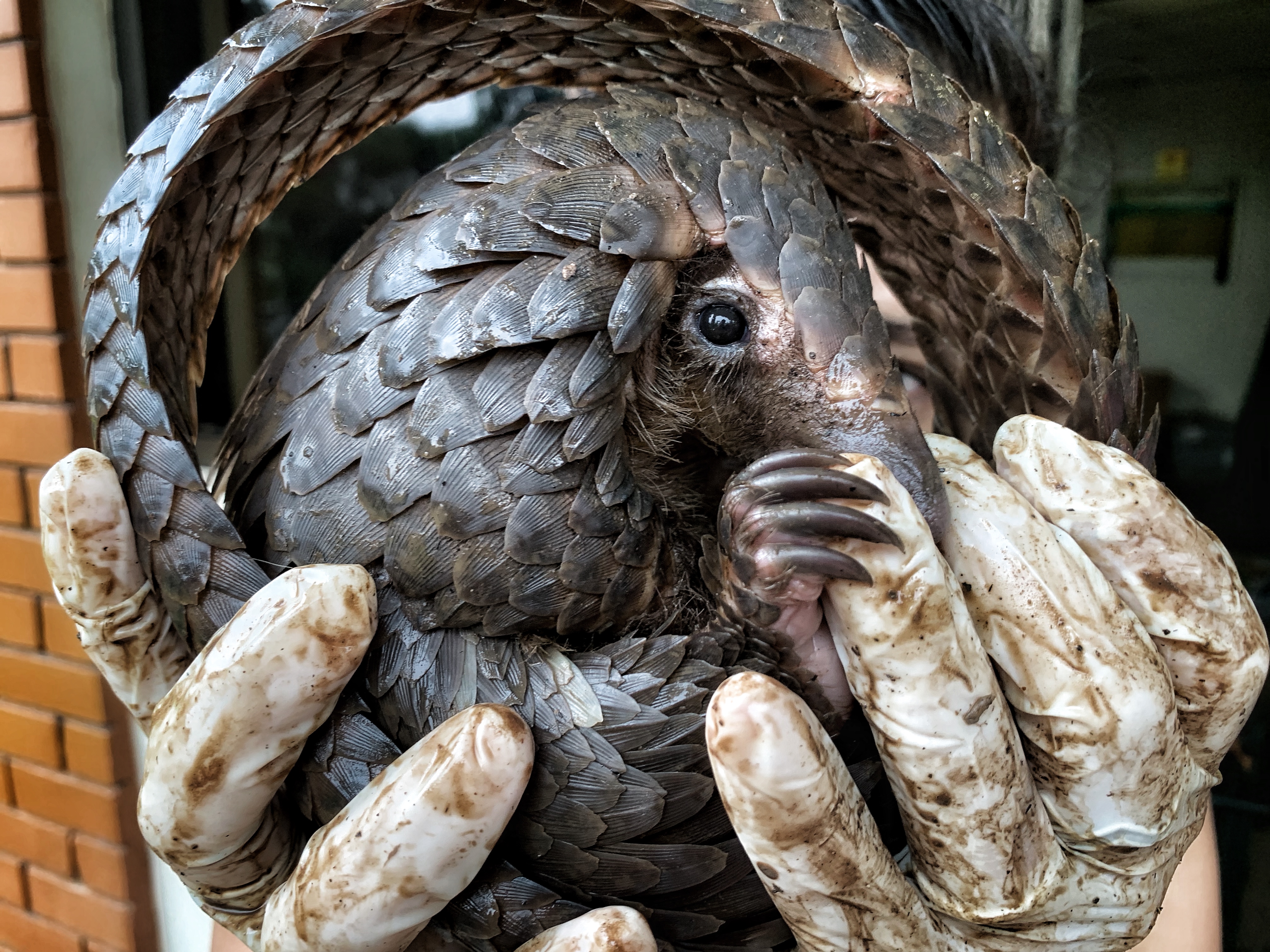
Publié le 27 April 2026In the heart of Cameroon, Mbam Djerem National Park stretches across more than 400,000 hectares. Between forests, savannas and plains, it is home to exceptional biodiversity, including three pangolin species now under serious threat: the giant pangolin (EN), the white-bellied pangolin (EN), and the black-bellied pangolin (VU).
But here, conservation cannot be separated from human realities. Around the park, local communities depend directly on natural resources for their livelihoods. In the absence of viable economic alternatives, pressure on wildlife remains high: hunting for bushmeat, unsustainable farming, and the exploitation of forest resources.
In this context, protecting pangolins is not simply about banning hunting and raising awareness among local communities. It also requires offering concrete, practical alternatives.
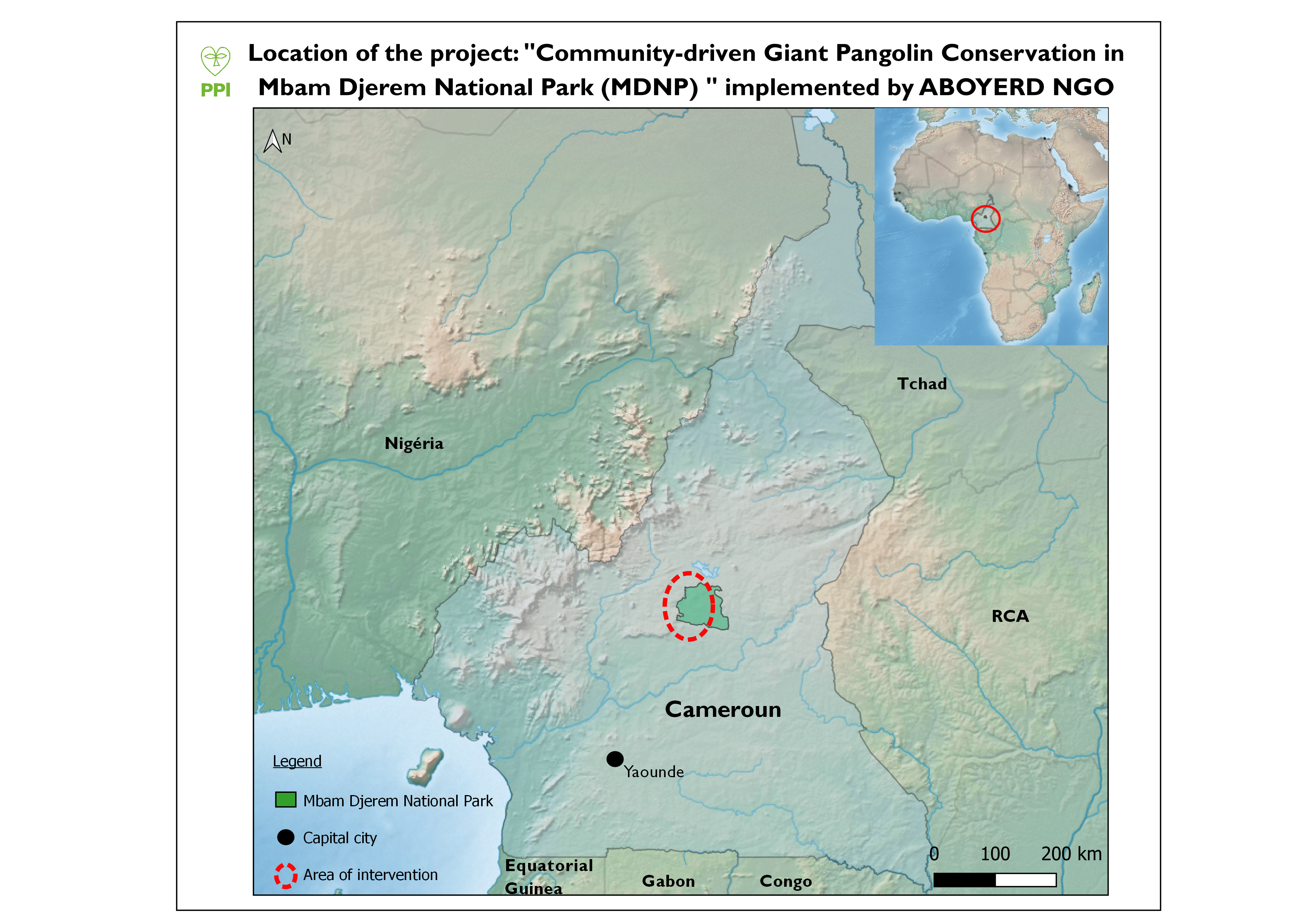
On the ground, ABOYERD has adopted a pragmatic approach, deeply rooted in local realities, across seven villages on the western edge of the protected area. In some of these villages, conservation still feels like a distant concern, even though many residents recognize the important role pangolins play in maintaining forest ecosystem balance. The response is often the same: “Alright, but what alternative do we have to feed ourselves?” Without a clear answer to that question, conservation messages remain difficult to put into practice.
The organization therefore supports the development of income-generating activities tailored to the needs and context of each village. These include poultry farming to meet protein needs, fish farming, subsistence crops such as plantain and potatoes, and beekeeping. In the latter case, communities are trained in hive construction and honey production. To overcome market access constraints, ABOYERD then buys back the honey to ensure its commercialization.
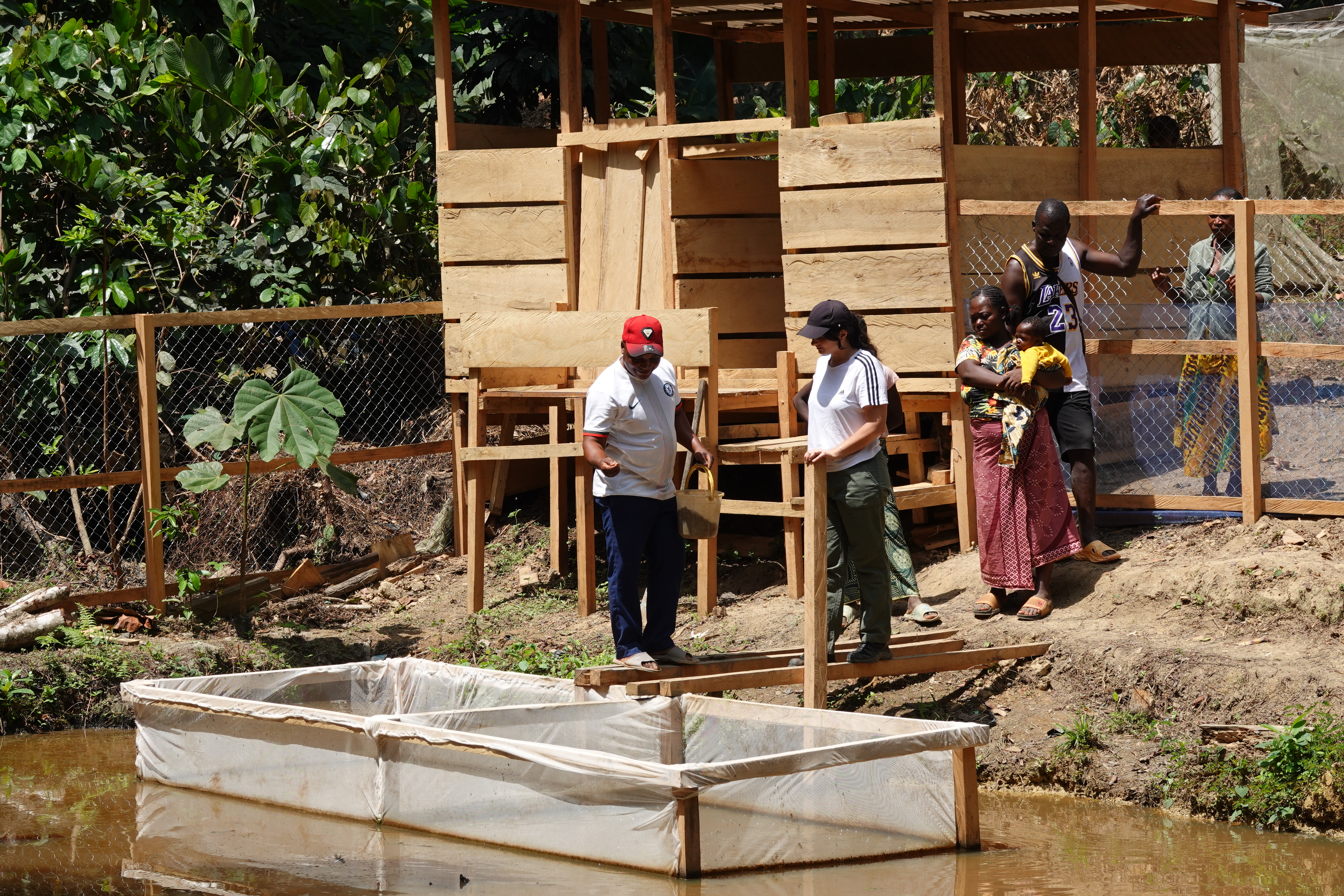
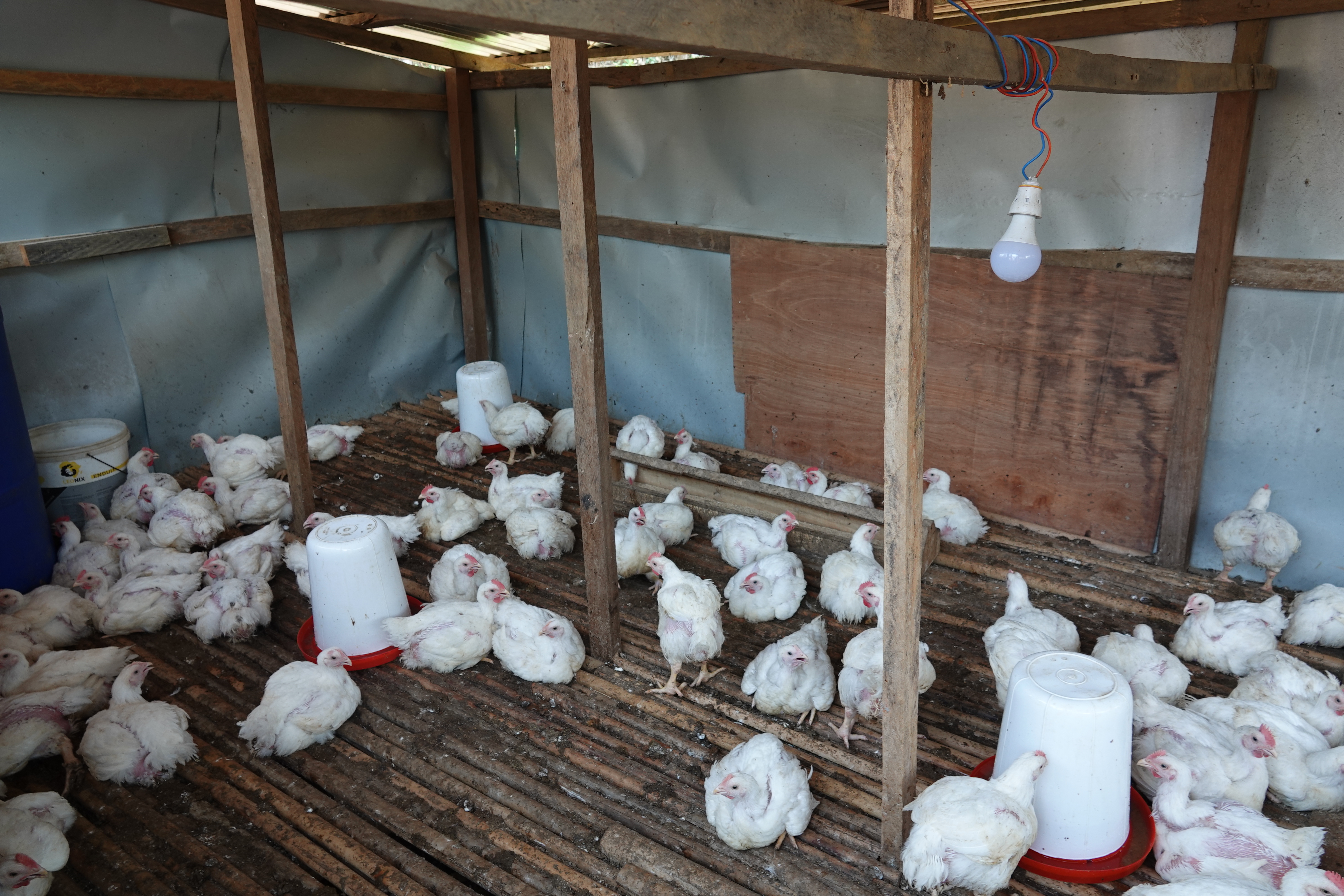
Visit to a fish farm and a poultry farm. Credit: Marie Furtado, 2026.
These initiatives help gradually reduce dependence on hunting. However, they remain fragile. Bushfires, for example, can destroy beehives or the floral resources needed for honey production, and the remoteness of markets further complicates the sustainability of certain activities. In some villages, reduced human pressure has also led to a resurgence of wildlife in plantations (such as baboons and bush pigs), sometimes resulting in human–wildlife conflicts.
At the same time, ABOYERD carries out essential awareness-raising work, particularly among younger generations. The organization works in schools, using accessible materials such as educational stories about pangolins. The goal is to transmit knowledge differently: not by imposing rules, but by gradually shifting perceptions from an early age.
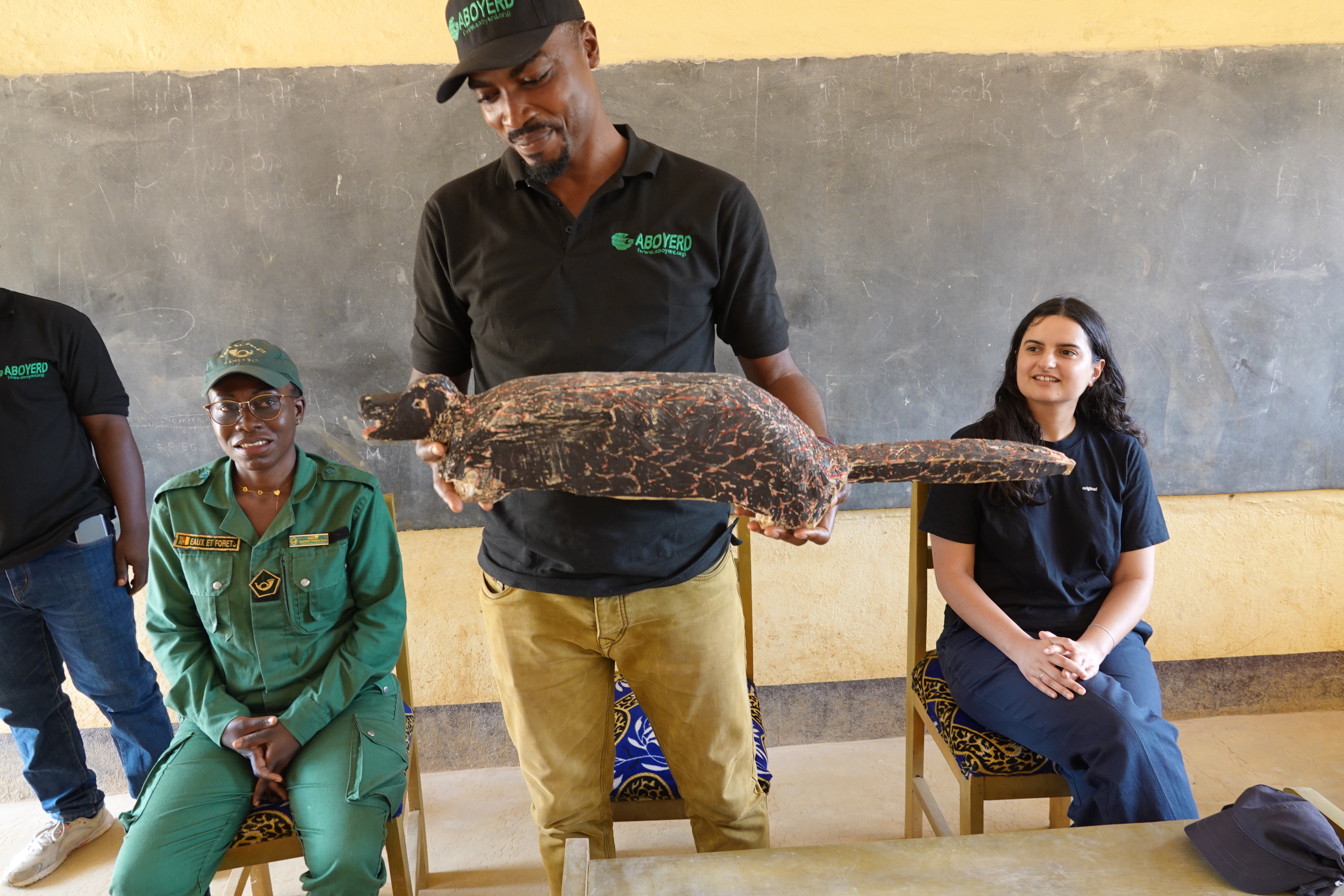
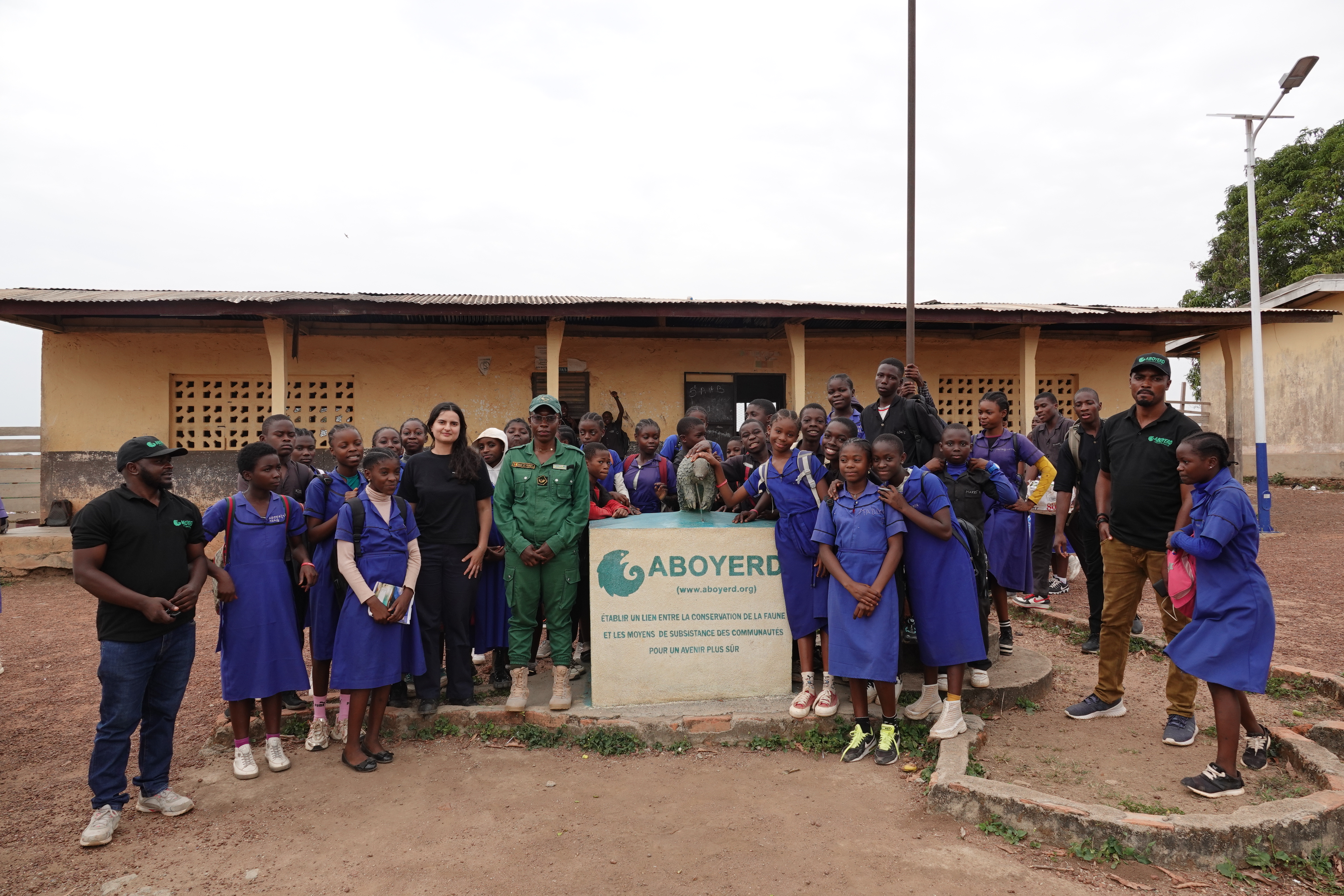
Awareness-raising activity on pangolin conservation in a school with Aboyerd. Credit: Marie Furtado, 2026.
This work is also accompanied by regular exchanges with local communities. Collective discussions are organized to jointly reflect on natural resource management, and participatory tools such as territorial mapping help residents take ownership of the issues at stake.
Gradually, this approach is starting to show results. In villages that were initially less engaged, attitudes are beginning to change. In others that were already involved, practices are being strengthened. The ambition is clear: to foster locally driven conservation, where communities themselves become key actors in wildlife protection.
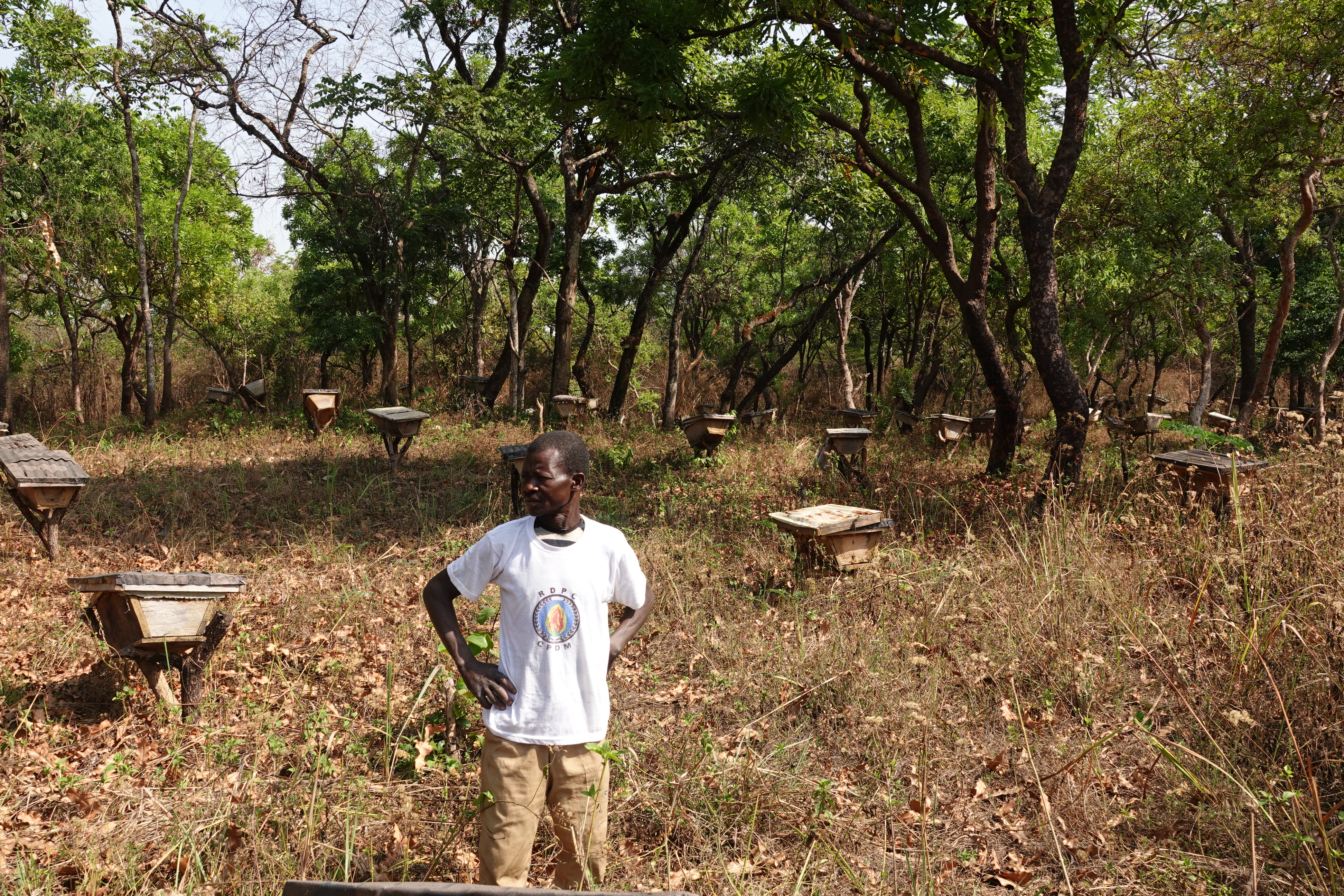
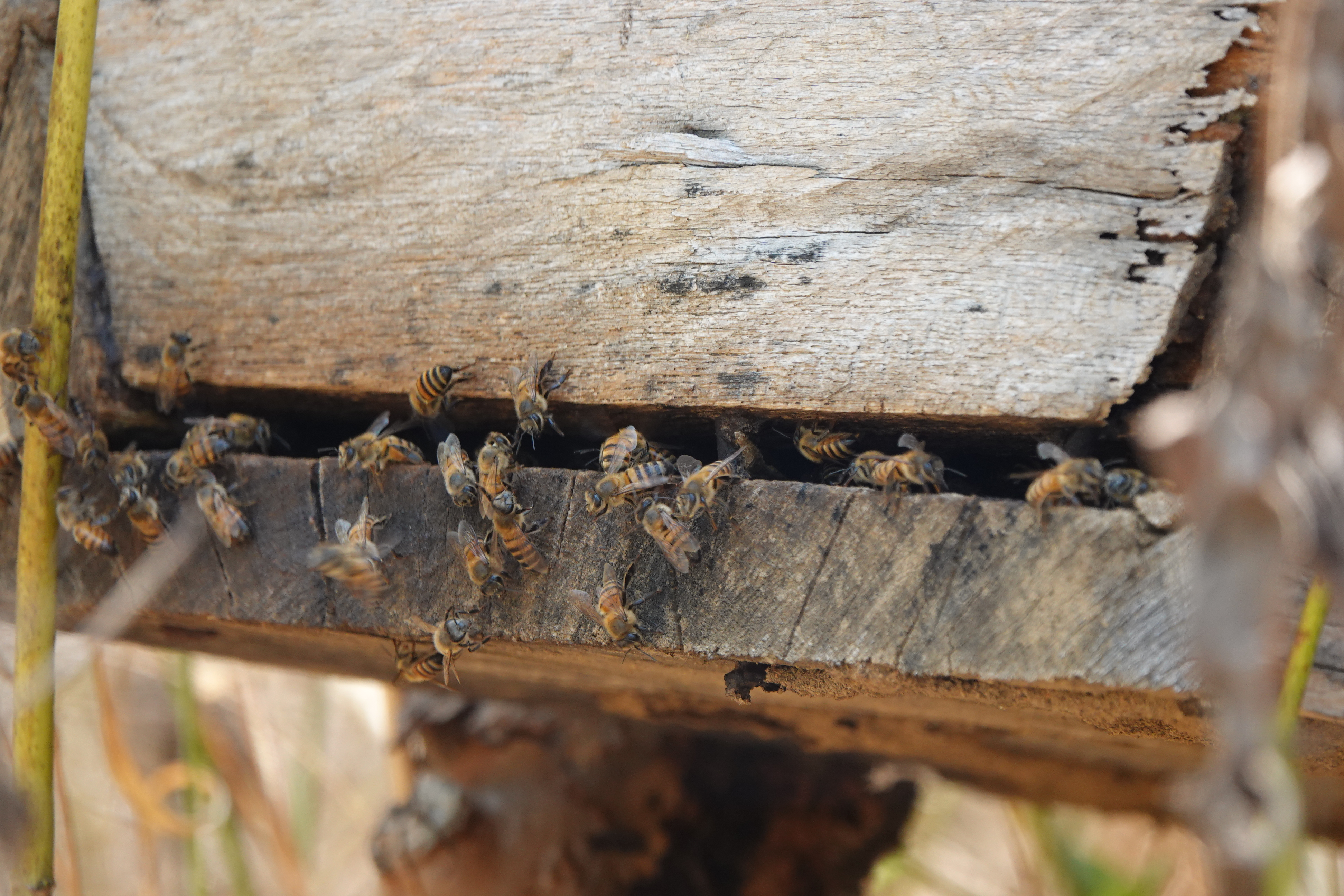
Meeting with a beekeeper trained by Aboyerd. Credit: Marie Furtado, 2026.
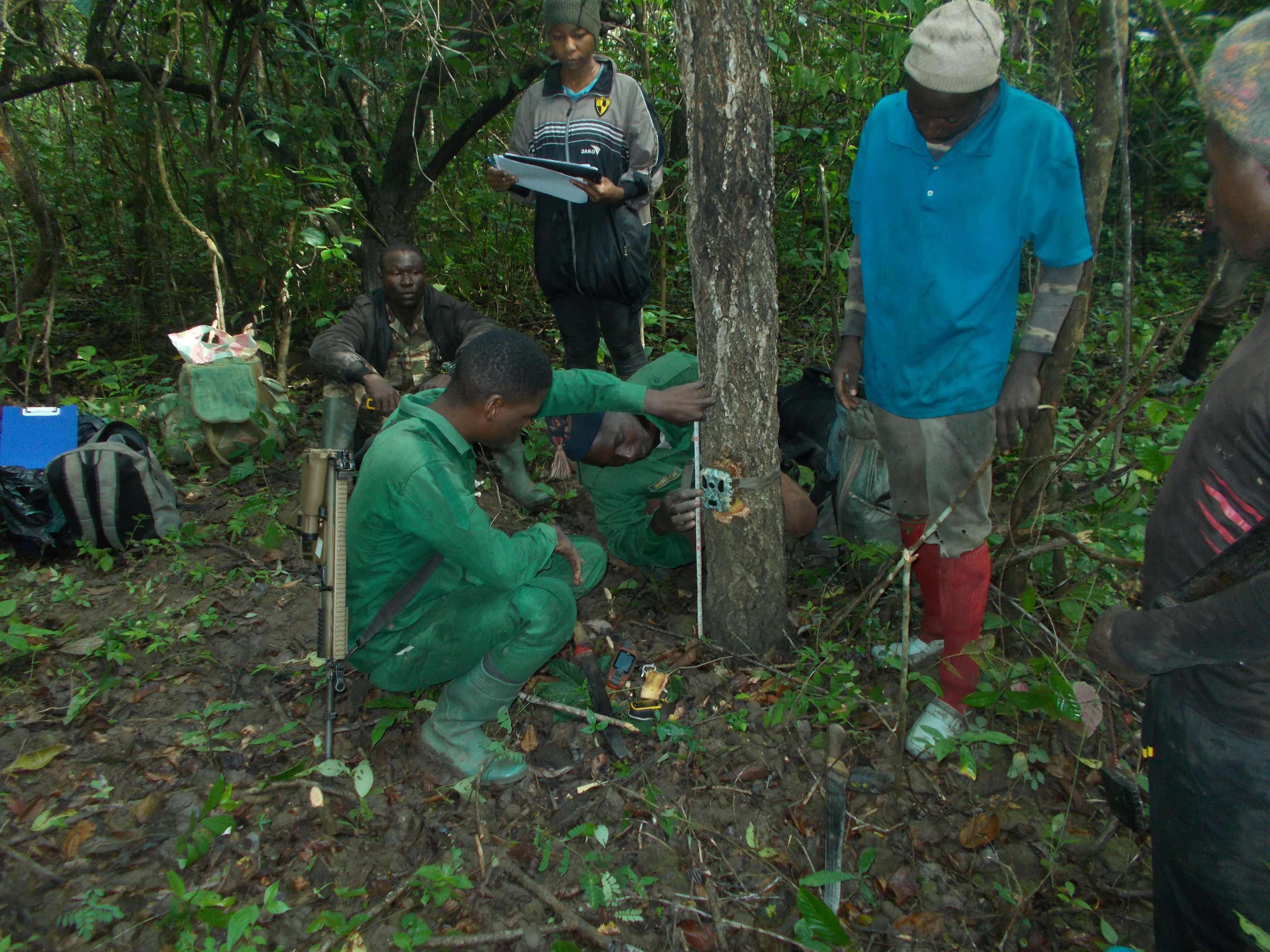
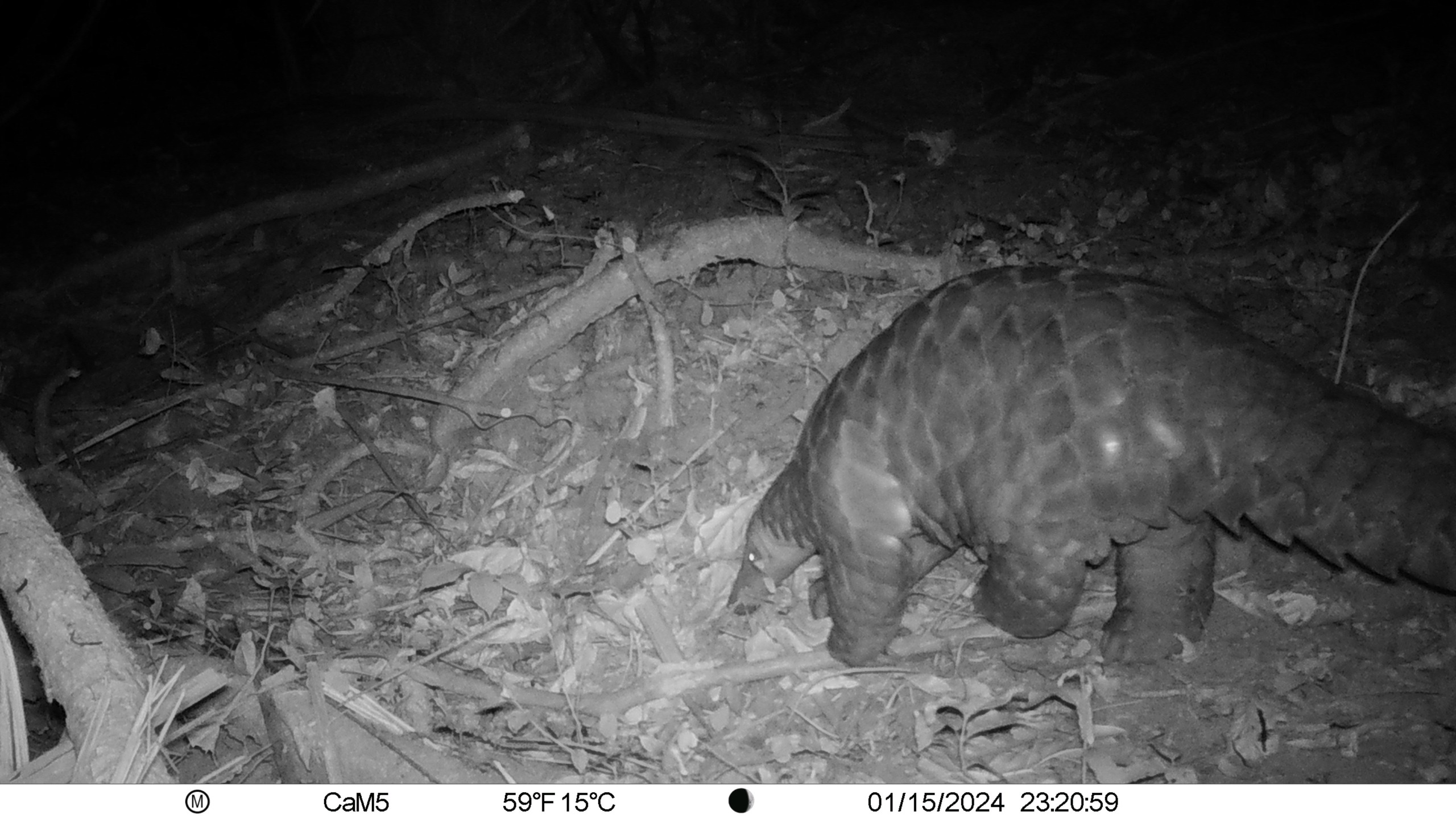
Alongside its work with local communities, ABOYERD also relies on an ecological monitoring system to better understand how the landscape evolves over time. This system makes it possible to track pangolin populations, assess the condition of their habitats, and monitor the presence of other associated wildlife species. These data are essential for more accurately measuring the impact of conservation actions, adjusting intervention priorities, and documenting ongoing ecological dynamics. They also provide valuable guidance for the development of ecotourism activities, helping identify areas to promote, species to highlight, and the conditions needed to ensure that visitor activities remain compatible with ecosystem conservation.